Read full story
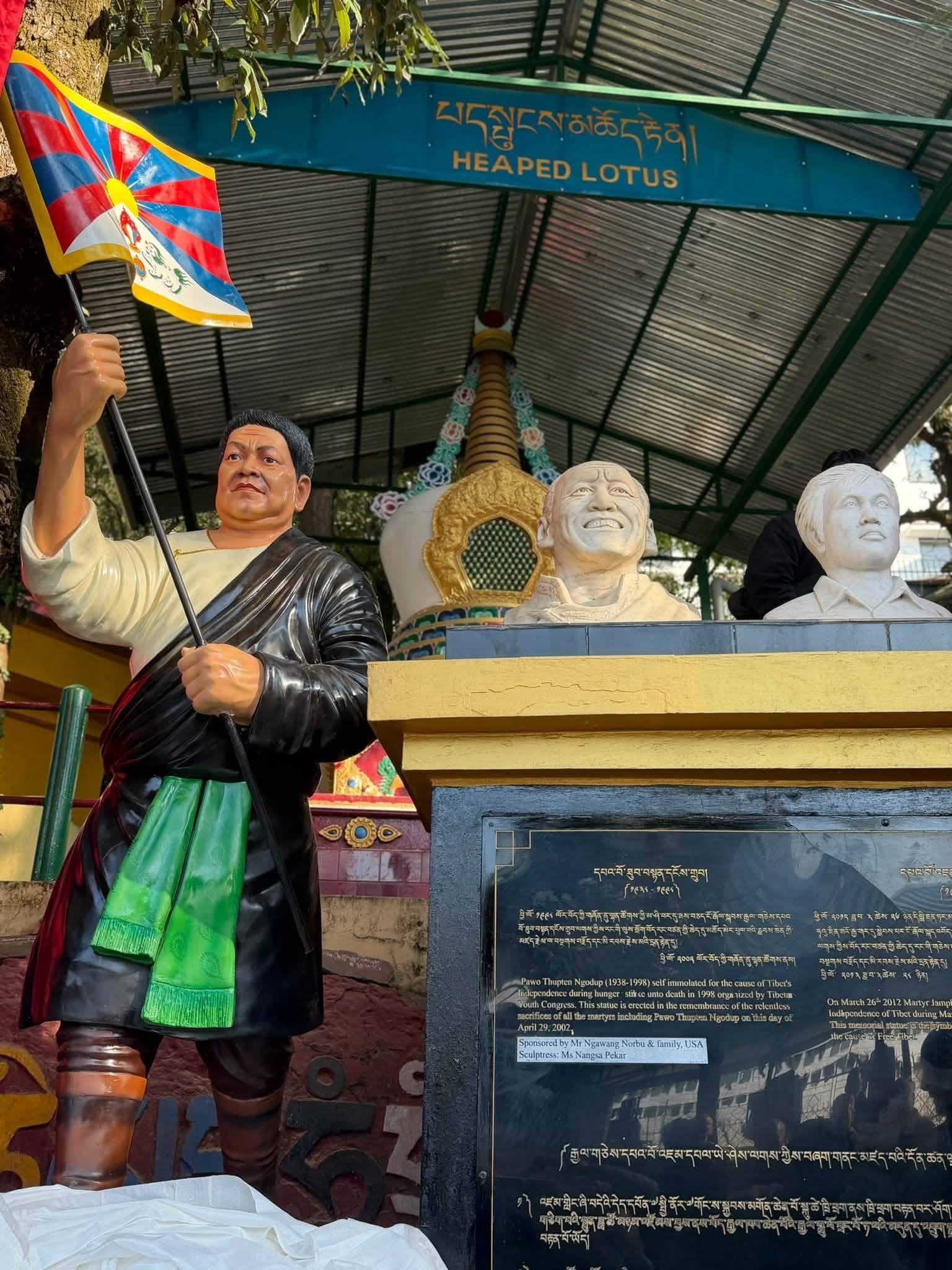
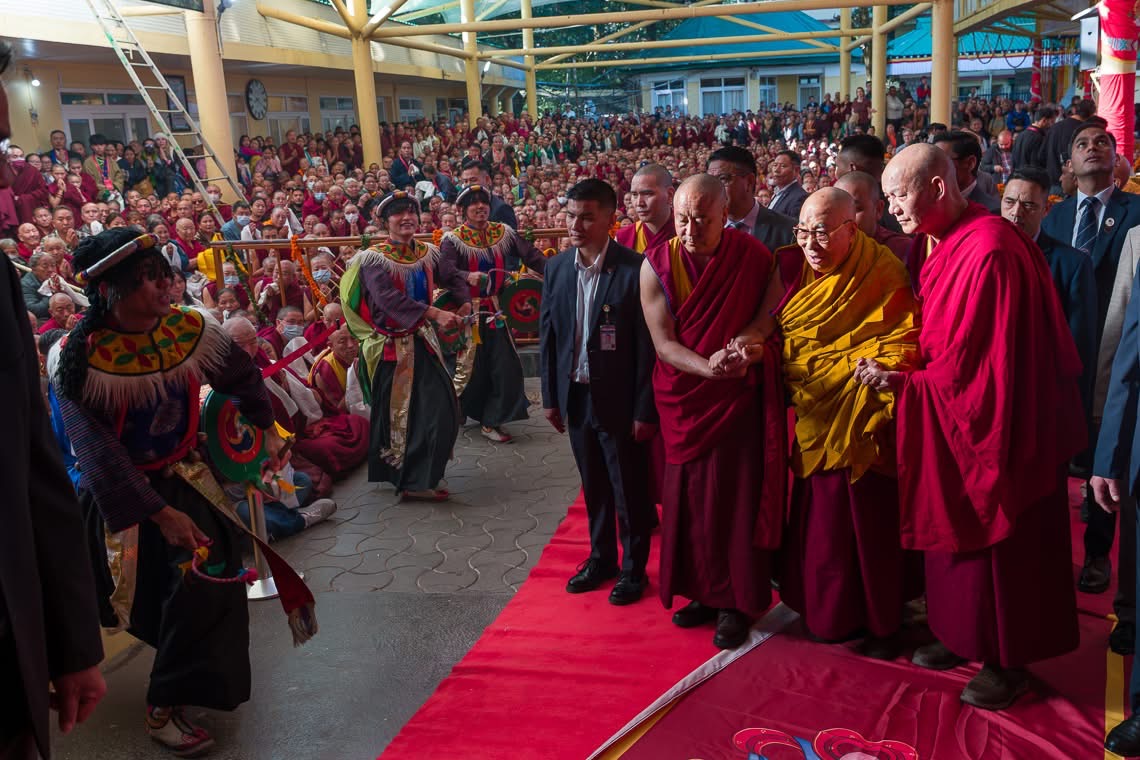
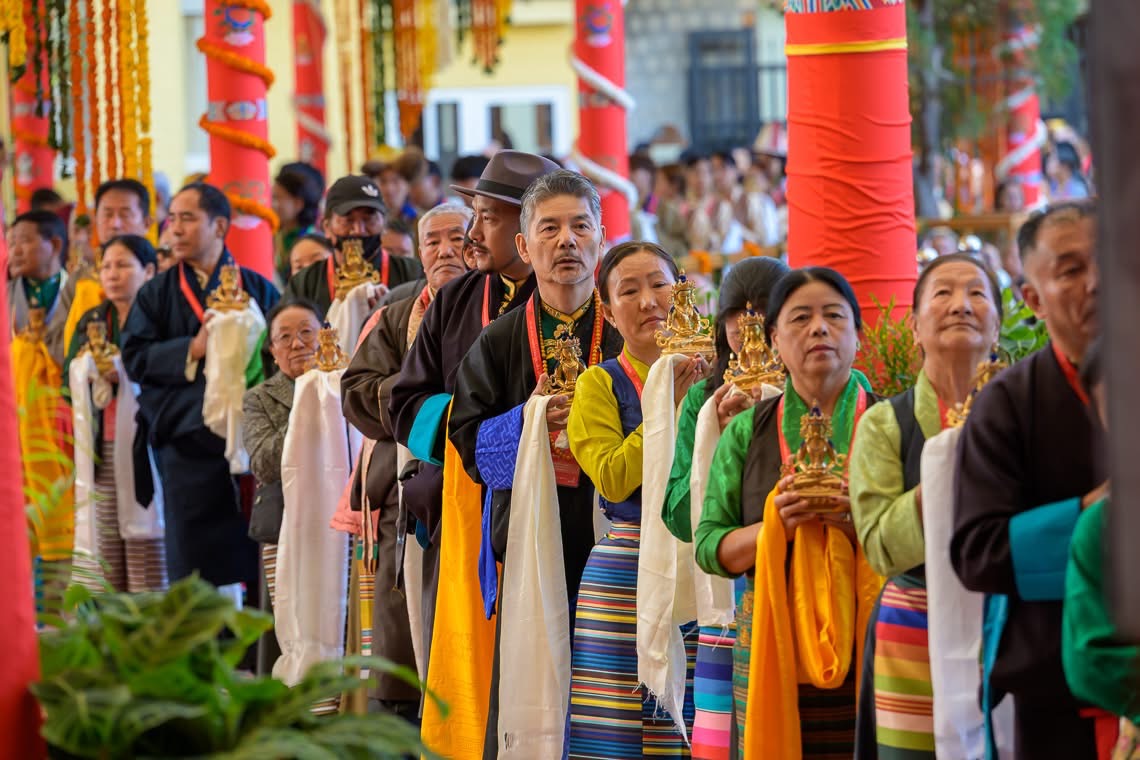
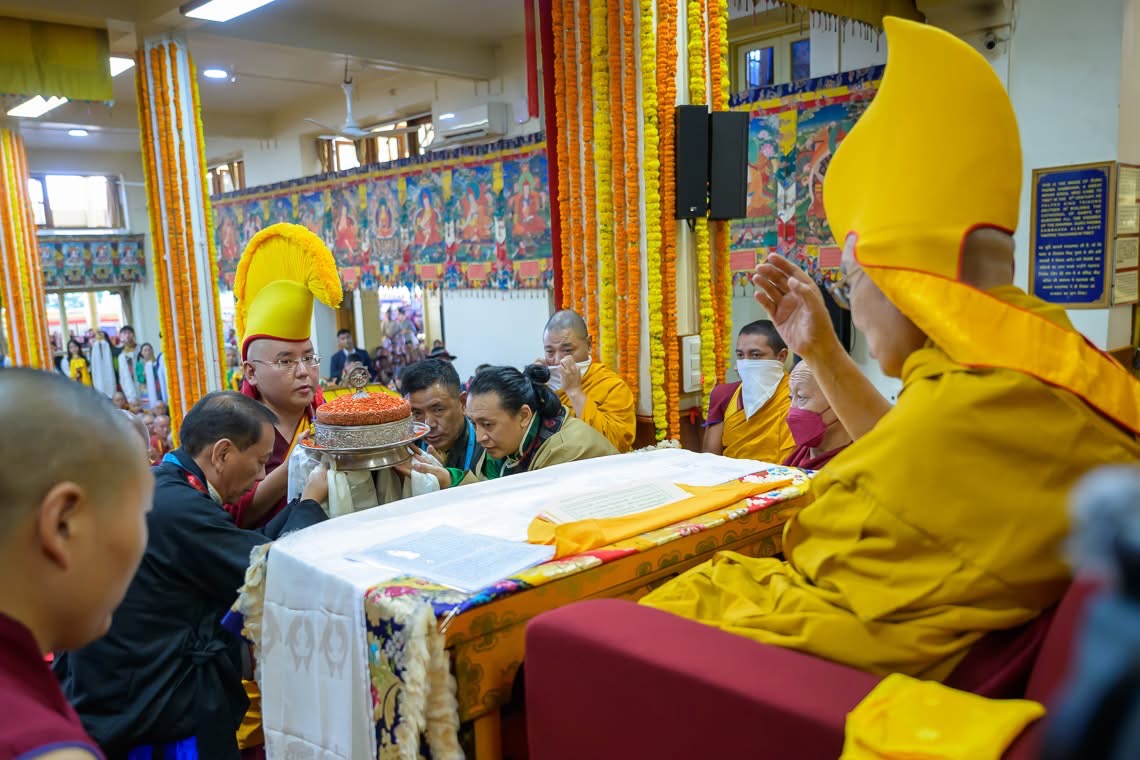
The statue was inaugurated on 26 October at Lhagyal-ri, behind the Tsuglagkhang Complex in McLeod Ganj, Dharamshala, home to His Holiness the 14th Dalai Lama’s main temple and residence.
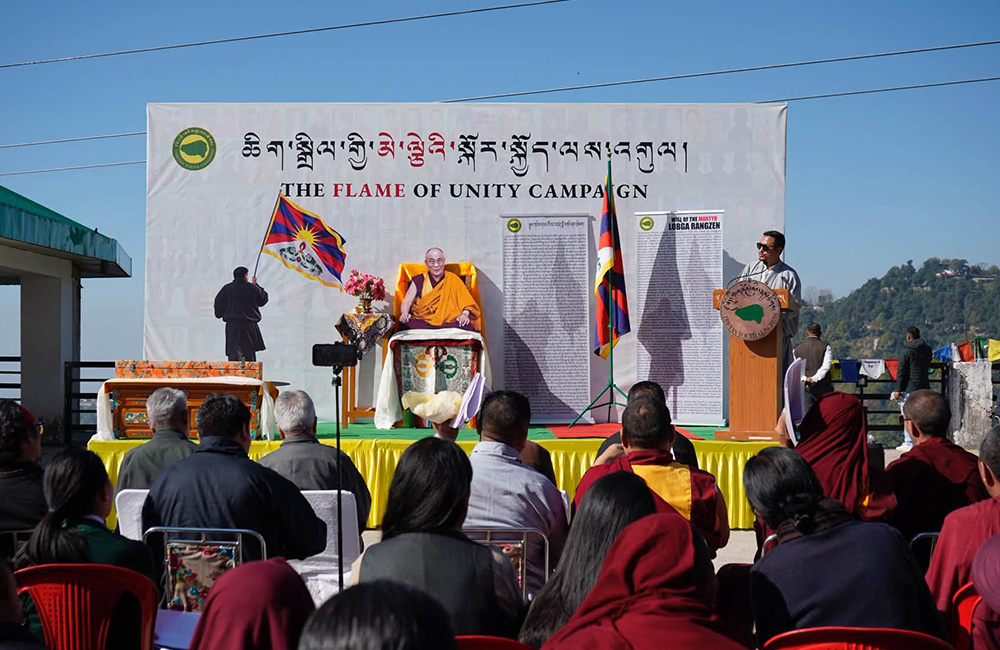
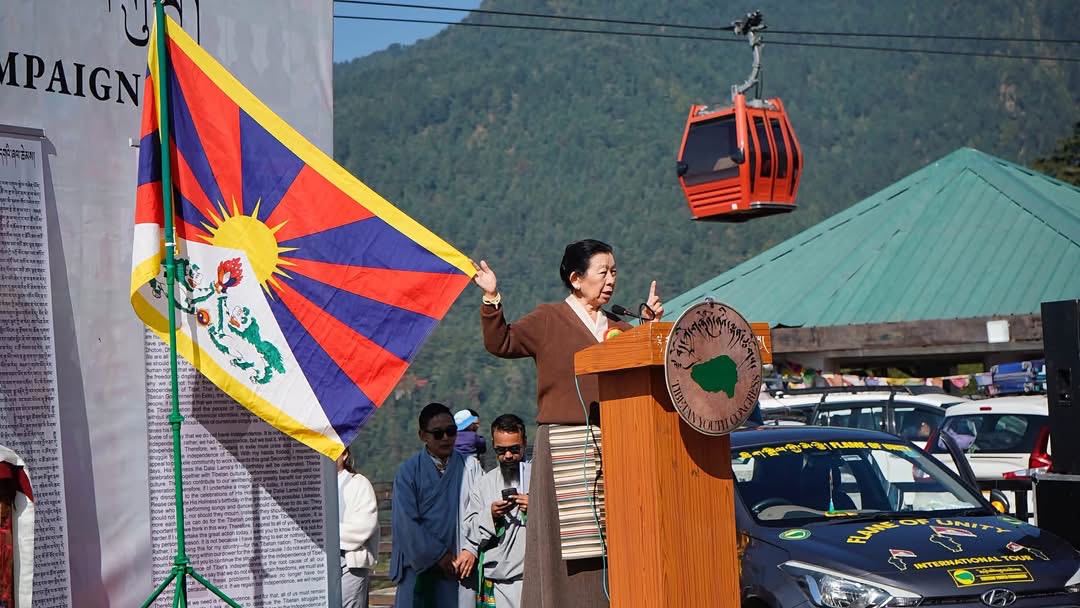
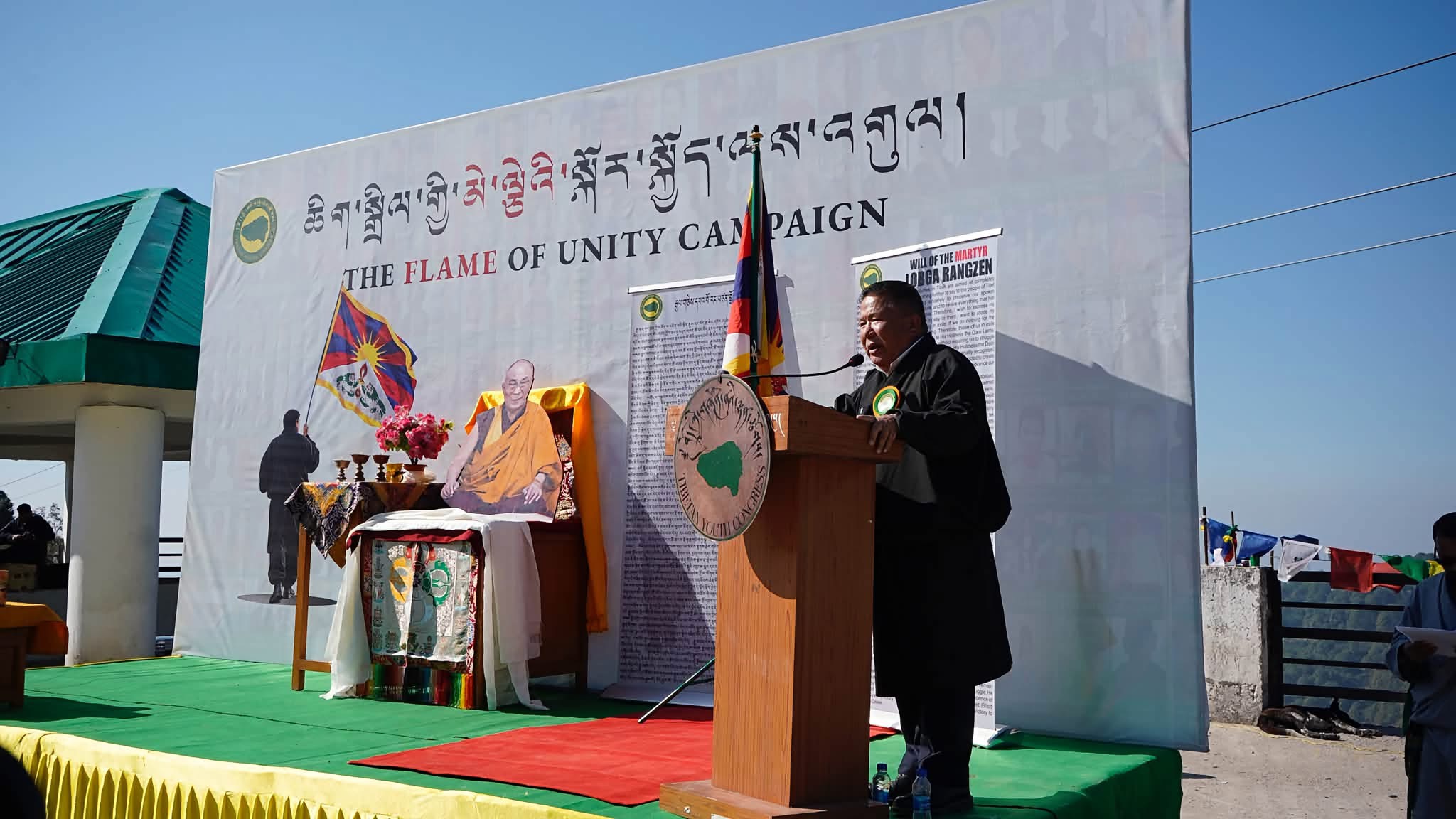
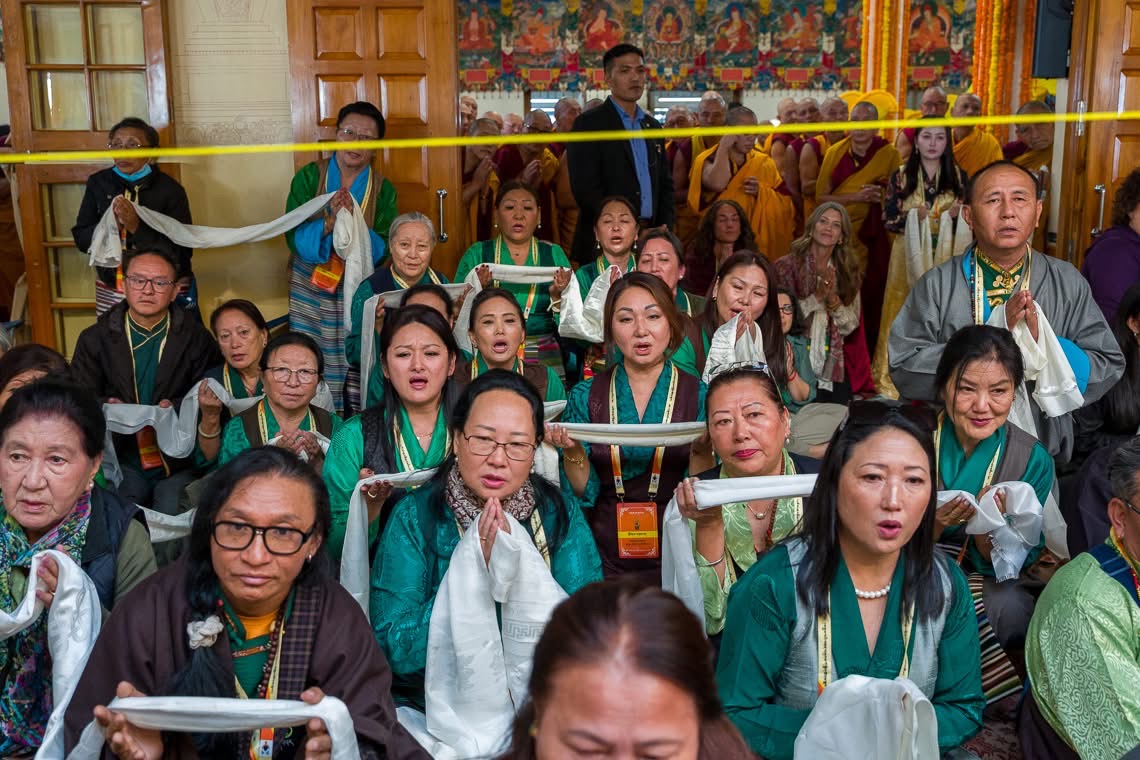
Organised by the Dharamshala Regional Tibetan Women’s Association, the ceremony honoured Rangzen’s commitment to Tibetan independence and commemorated those who have lost their lives protesting Chinese rule in Tibet.
The unveiling comes nearly four months after Lobga Rangzen’s death in New York, where his final protest drew attention to Tibet’s struggle for freedom and growing concerns over Chinese government policies aimed at strengthening political and cultural assimilation.
Increased Chinese restrictions reported in Lobga Rangzen’s birthplace
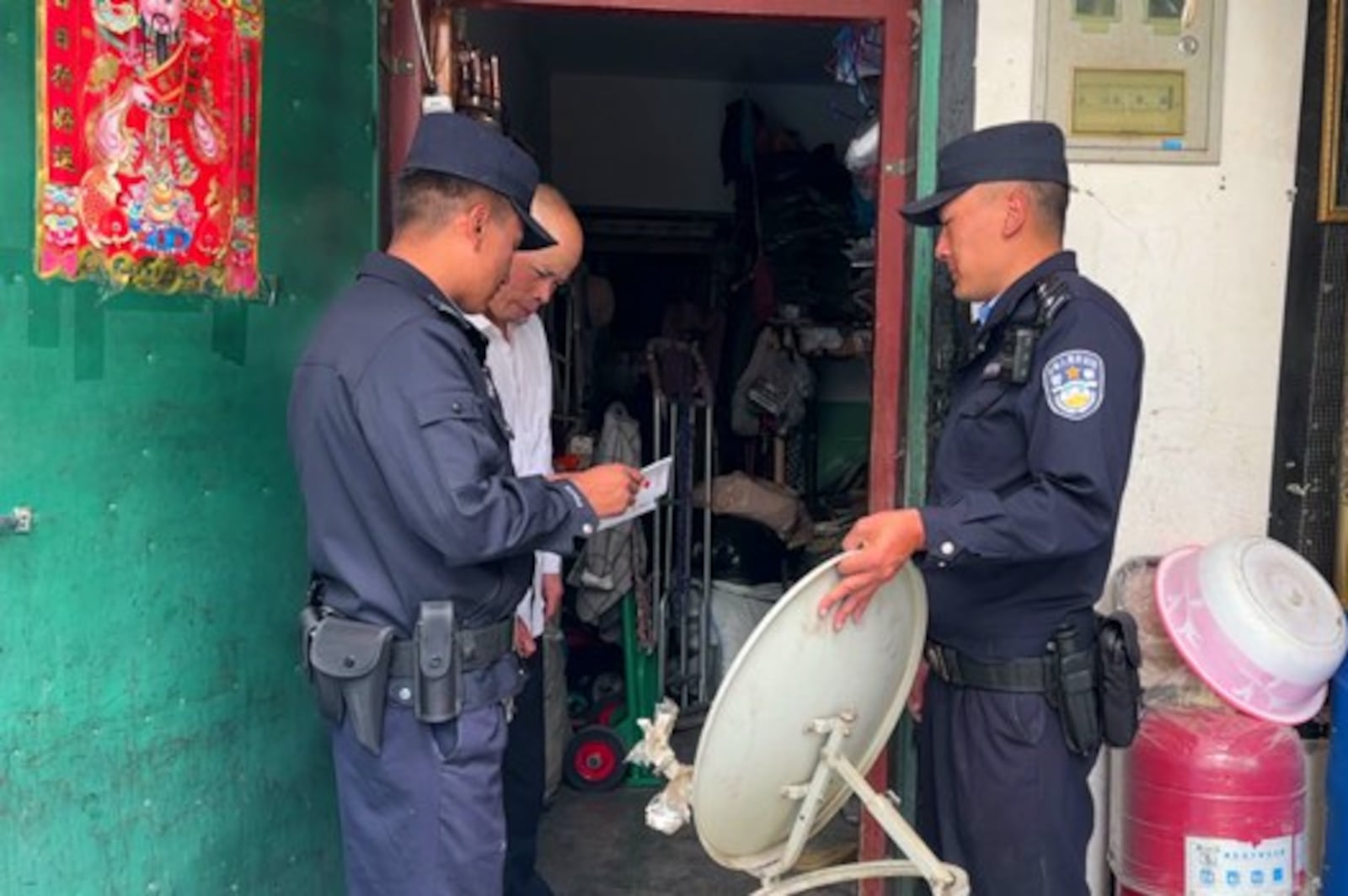
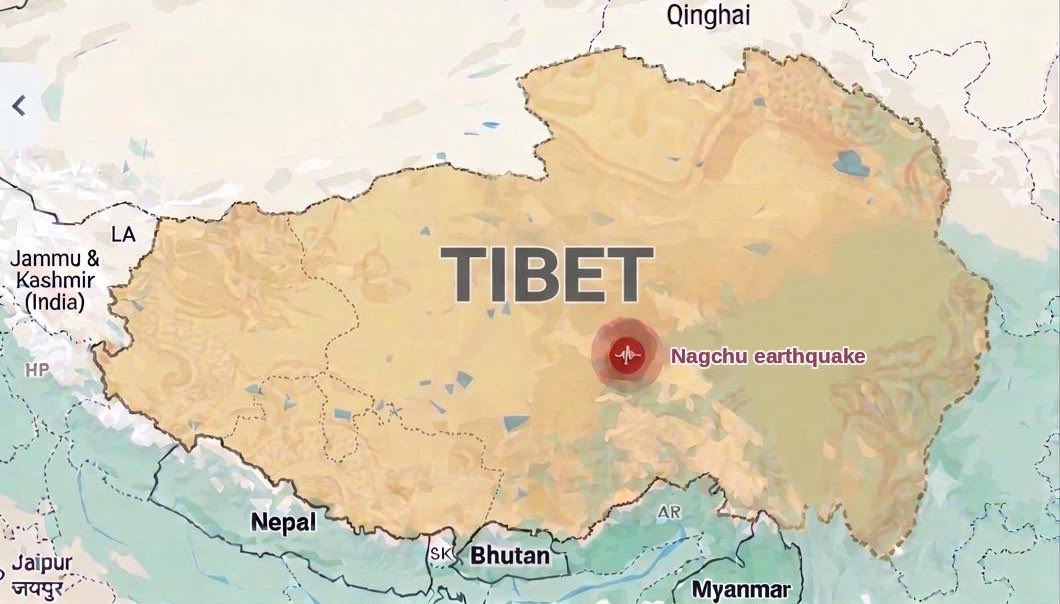
A Tibetan source inside Tibet has told TAN that Chinese authorities have tightened security measures in Kham Tehor, the eastern Tibetan region where Lobga Rangzen was born.
The source, whose identity is being withheld for security reasons, said additional police officers had been deployed in the area following Lobga Rangzen’s self-immolation.
According to the source, local authorities have been instructing residents to describe Lobga Rangzen’s death as the result of personal difficulties rather than a political protest against Chinese rule.
The source also alleged that Lobga Rangzen’s family members and relatives have been placed under restrictions, preventing them from travelling freely, including to neighbouring counties.
The reported measures have raised concerns about the treatment of families associated with Tibetan political activism and the restrictions on freedom of expression in the region.
The source described an atmosphere of fear, with residents reluctant to discuss lobga’s death openly because of possible consequences from local authorities.
TAN has not been able to independently verify the full extent of the reported restrictions, and Chinese authorities have not provided a response to these specific allegations.
A final protest outside the United Nations
Lobga Rangzen, 52, a Tibetan activist and resident of Queens, New York, died following an act of self-immolation outside the United Nations headquarters in Manhattan on 2 July 2026.
Queens is home to one of the largest Tibetan communities in the United States.
On the day of his protest, Rangzen arrived near the United Nations headquarters wearing traditional Tibetan clothing, known as a chupa, and carrying a Tibetan national flag.
He subsequently set himself on fire in protest against Chinese rule in Tibet.
Before his death, lobga Rangzen recorded a video message explaining that his decision was motivated by his commitment to Tibet
In the recording, which was reportedly shared on Facebook before being removed, he called for continued efforts toward Tibetan independence.
His death prompted grief and discussion within Tibetan communities, drawing renewed attention to the political grievances that have led over 150 Tibetans to undertake self-immolation protests.
Decades of Chinese occupation of Tibet
China’s military invasion of Tibet began in 1950, when thousands of Chinese troops entered Tibetan territory. In 1951, Tibetan representatives signed the controversial Seventeen Point Agreement under pressure from Beijing. The Tibetan government-in-exile maintains that the agreement was imposed under duress.
More than seven decades later, Tibet remains under Chinese rule, with Tibetan human rights organisations documenting restrictions on religious freedom, cultural expression, language rights and political dissent.
While Beijing portrays its policies as promoting development, stability and ethnic unity, Tibetan activists argue that these measures have increasingly undermined Tibet’s distinct national identity and cultural heritage.
Lobga Rangzen was a vocal opponent of China’s rule in Tibet and its ethnic unity policies, which he and other Tibetan activists viewed as threats to the survival of Tibetan identity, language and culture.
His final protest was intended to draw international attention to Tibet’s struggle for freedom and the continuing repression faced by Tibetans under Chinese rule.
Statue unveiled in honour of Tibetan freedom struggle
The unveiling of Rangzen’s statue in Dharamshala marks a significant moment of remembrance for members of the Tibetan exile community.
The 6.5-foot memorial stands at Lhagyal-ri, near one of the most important religious and cultural centres for Tibetans in exile.
For those who supported Lobga Rangzen’s campaign for Tibetan independence, the statue represents a lasting tribute to his political convictions and a reminder of the unresolved struggle over Tibet’s future.
According to information received by TAN, Lobga Rangzen’s family and relatives in Kham Tehor continue to face reported restrictions on movement, while local authorities have allegedly sought to discourage public discussion of the political motivations behind his death.
These allegations have not been independently corroborated.
The memorial in Dharamshala is expected to serve as a place of remembrance for Rangzen and other Tibetans who have died during protests against Chinese rule.