ཨ་རི་བོད་མིའི་
བརྙན་འཕྲིན།
གསར་འགྱུར་གསར་ཤོས།
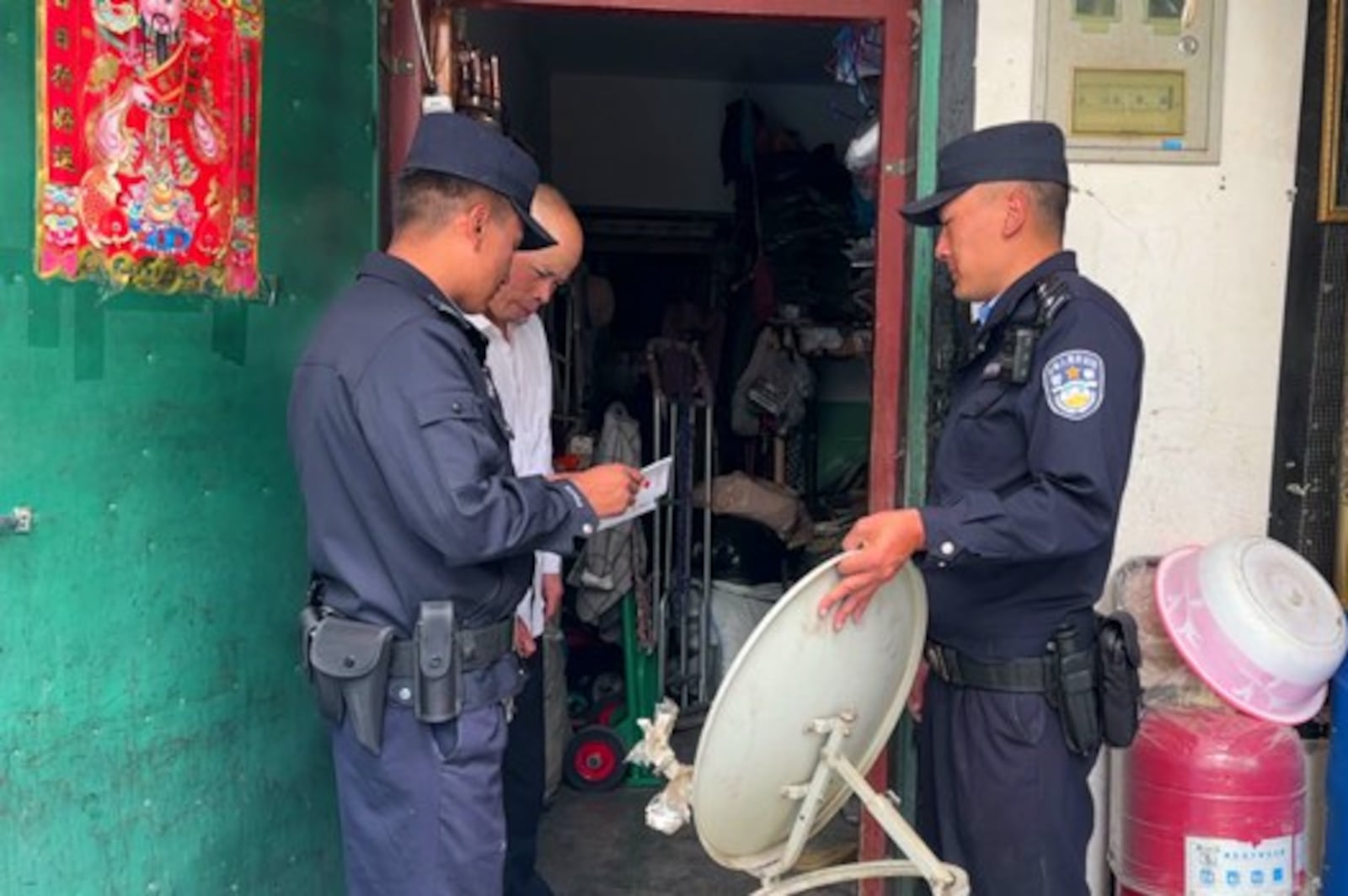
Uniformed officers with a satellite dish outside a home in the image supplied to TAN
Police question a Tibetan resident about his satellite dish during checks enforcing state-approved TV broadcasts in Lhasa, Tibet, June 13, 2023.

China Steps Up Information Crackdown in Tibet, Fining Families for Using Satellite Dishes

Chinese authorities are reportedly stepping up efforts to restrict access to foreign news in Tibet, confiscating privately owned satellite dishes and fining Tibetan families thousands of yuan for using equipment capable of receiving international television broadcasts.

Read full story

The latest enforcement campaign began on 1 November in Pema County, Golog Prefecture, where more than a dozen Tibetan households have reportedly been targeted, according to information obtained by the Tibetan American Network (TAN) from sources inside Tibet.

Local officials confiscated satellite dishes from homes and imposed fines ranging from 2,000 to 5,000 yuan on each family, the sources said.

The measures have effectively cut off affected households from foreign television channels, leaving residents dependent on broadcasts approved by the Chinese government.

Foreign Broadcasts Replaced by State-Controlled Television

For decades, international broadcasters such as Voice of America (VOA) and Radio Free Asia (RFA) have been among the most important sources of independent news and information for Tibetans living under Chinese rule.

Their Tibetan-language services have provided coverage of developments inside Tibet, international affairs and events around the world, offering perspectives often absent from China’s tightly controlled state media.

For many Tibetans, these broadcasters have served as a vital connection to the outside world, particularly amid restrictions on independent journalism, foreign media and the free flow of information.

Although VOA and RFA have primarily reached Tibetan audiences through radio and digital platforms, their longstanding role highlights the importance of access to international news in a region where independent information remains heavily restricted.

Some Tibetan households have also relied on privately installed satellite dishes to watch foreign news and television programmes unavailable through China’s official broadcasting services.

“In the past, we could watch various foreign news and television programmes through private satellite dishes, although the signal would occasionally cut out,” a local resident said.

“Recently, the government replaced all satellite dishes capable of receiving these signals and strictly prohibited any private installations.”

Sources told TAN that authorities have replaced private satellite equipment with government-approved systems that do not provide access to foreign news channels.

Residents said the restrictions had further reduced their ability to obtain information beyond Chinese state-controlled broadcasts.

Authorities Extend Enforcement to Western Tibet

The campaign in Golog appears to be part of a wider pattern of restrictions on satellite television reception across Tibetan regions.

Since early 2026, similar enforcement measures have reportedly been implemented in Ngari Prefecture in western Tibet.

According to implementation reports attributed to the Tsochen County Television Broadcasting Bureau, enforcement operations have been completed in three townships in Tsochen County, with further operations reportedly underway in other areas.

Local sources said notices prohibiting unauthorised satellite dish installations had been distributed directly to households.

The reported operations in both Golog and Ngari suggest that restrictions on private satellite reception extend beyond a single locality, although the overall scale of the campaign remains unconfirmed.

Tightening Control Over Tibet’s Access to Information

China has long maintained strict controls over broadcasting and the distribution of information in Tibetan areas.

The latest reported confiscations have raised further concerns about the ability of Tibetan communities to access news and perspectives beyond those presented by Chinese state media.

For families affected by the campaign, the restrictions carry both financial and practical consequences. In addition to losing their satellite equipment, households face substantial fines for attempting to receive broadcasts from outside China’s authorised television system.

The reported replacement of private satellite dishes with government-controlled equipment also raises broader questions about the extent to which Tibetan residents can independently choose their sources of information.

While Chinese regulations require authorisation for certain satellite reception equipment, the accounts received by TAN indicate that the latest enforcement measures are sharply reducing access to international broadcasts in affected Tibetan communities.

For Tibetans who have long relied on outside broadcasters such as VOA and RFA for news about their homeland and the wider world, the reported restrictions underscore the continuing importance of independent information and the barriers to accessing it.

The crackdown highlights growing concerns over information restrictions in Tibet, where access to independent news remains limited and government oversight of communications continues to shape what residents can see and hear.
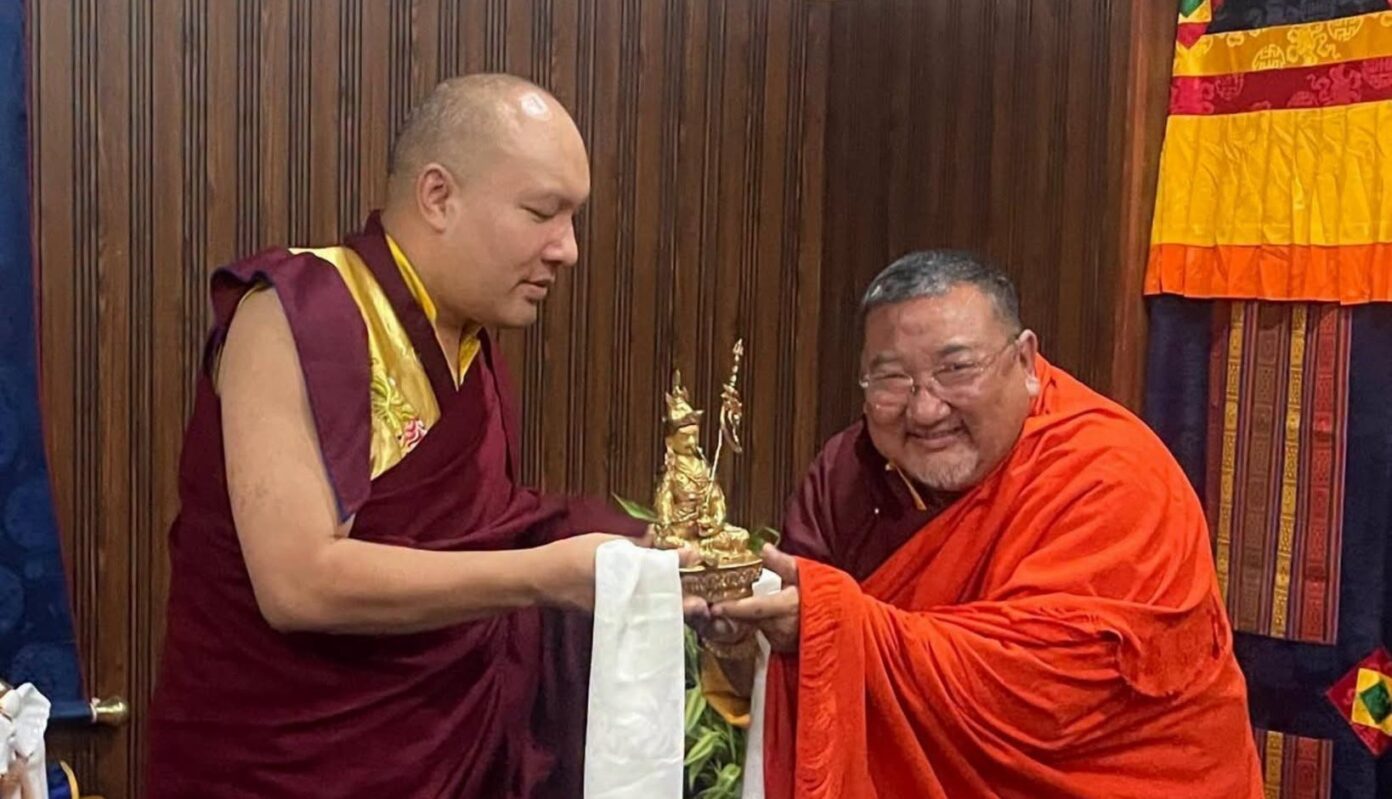
The 17th Karmapa and Sikkim Minister for Ecclesiastical Affairs Sonam Lama
Gyalwang Karmapa with Sikkim’s Minister for Ecclesiastical Affairs, Sonam Lama.

Sikkim Invites 17th Karmapa to Return for 16th Karmapa’s 45th Death Anniversary During Historic Bhutan Visit

GELEPHU, Bhutan, 2 November 2026 — The government of India’s northeastern state of Sikkim has invited the 17th Gyalwang Karmapa, Ogyen Trinley Dorje, to visit the state for the 45th anniversary of the death of his predecessor, in a significant development during the Tibetan Buddhist leader’s visit to Bhutan.

Read full story

The invitation was extended by Sikkim’s Minister for Ecclesiastical Affairs, Sonam Lama, during a meeting with the Karmapa in Gelephu, where the spiritual leader is attending a major international Buddhist gathering.

According to a statement issued by the Sikkim government on Monday, the Karmapa accepted the invitation and offered prayers for the peace and prosperity of the people of Sikkim.

The invitation concerns the 45th Parinirvana Anniversary of the 16th Gyalwang Karmapa, Rangjung Rigpe Dorje, who died on 5 November 1981.

The development has raised hopes among followers of the Karma Kagyu school of Tibetan Buddhism that the 17th Karmapa could eventually visit Rumtek Monastery, the lineage’s principal seat in exile, located near Sikkim’s capital, Gangtok.

Significance of a Possible Return to Sikkim

The invitation carries particular religious and historical significance because the 17th Karmapa has never been able to take his traditional seat at Rumtek Monastery.

The monastery was established as the principal seat in exile of the 16th Karmapa after he fled Tibet in 1959, following the Chinese takeover.

Although the 17th Karmapa escaped from Tibet to India in January 2000, restrictions and political sensitivities surrounding his movements prevented him from visiting Rumtek.

His absence from the monastery has remained a longstanding concern among his followers, particularly in Sikkim, where Buddhist organisations have repeatedly appealed for his return.

The Karmapa left India in 2017 and has since spent much of his time abroad.

A visit to Sikkim would therefore represent a significant moment for the Karma Kagyu community, potentially opening a new chapter in the Karmapa’s relationship with his followers in the Himalayan state.

However, while the Sikkim government has announced his acceptance of the invitation, details of the proposed visit and whether it would include Rumtek Monastery have not been confirmed.

Bhutan’s King Meets Karmapa Rinpochen at Gelephu

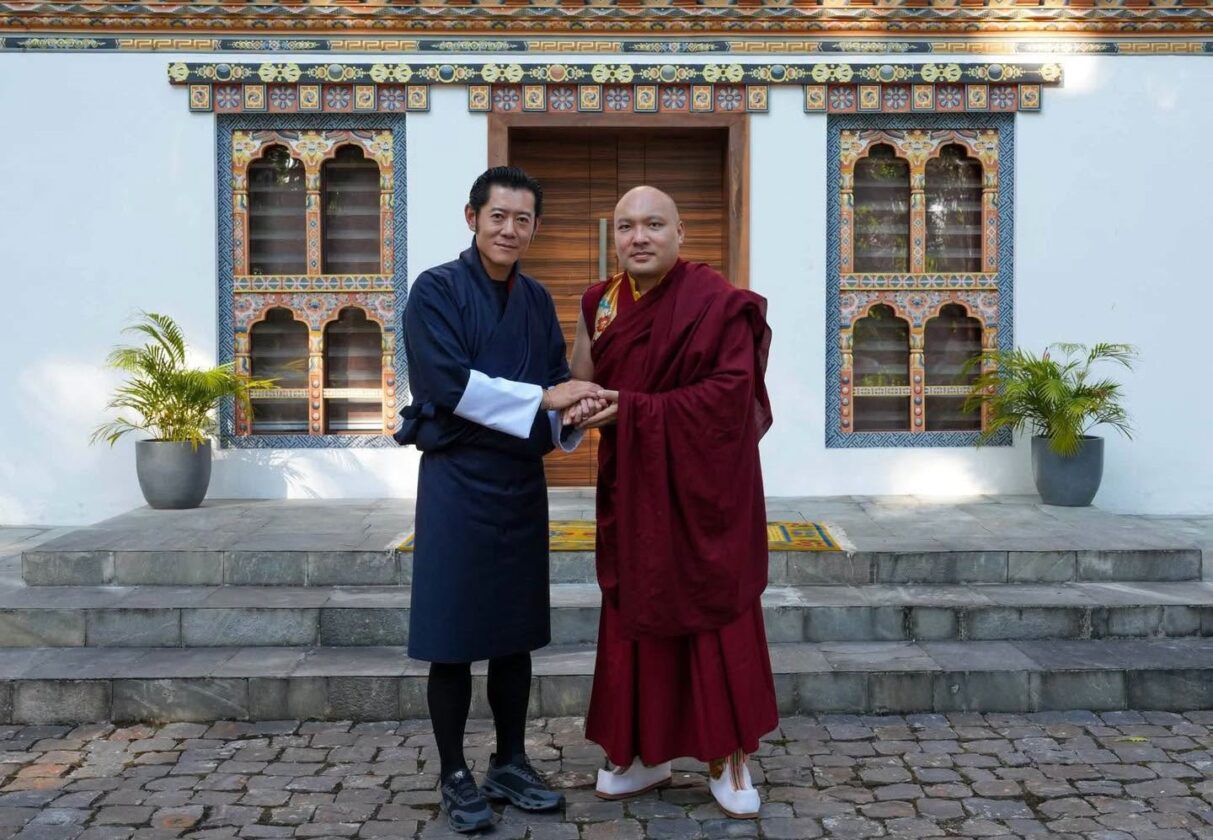
The invitation comes during the Karmapa’s visit to Bhutan, where he met King Jigme Khesar Namgyel Wangchuck at Gelephu Mindfulness City.

Bhutan’s King Jigme Khesar Namgyel Wangchuck with the 17th Karmapa

The meeting took place amid a major international Buddhist gathering marking the construction of 108 stupas, sacred monuments associated with Buddhist teachings and spiritual practice.

The ceremony, held on 1 November, brought together Buddhist masters representing different traditions and countries.

Around 40,000 volunteers took part in constructing the external structures of the 108 stupas in a single day, while an estimated 200,000 people gathered in Gelephu for the occasion.

The Karmapa arrived in Bhutan on 30 October and met Prime Minister Tshering Tobgay shortly after his arrival.

He also visited Paro College of Education, where he addressed students and faculty members, offering guidance on education, values and spiritual development.

A Significant Moment for Himalayan Buddhism

The Karmapa’s visit to Bhutan is particularly notable because it marks a rare public appearance by the Tibetan Buddhist leader in the Himalayan region after years spent largely outside India.

As one of Tibetan Buddhism’s most prominent spiritual figures, the 17th Gyalwang Karmapa Rinpochen holds an important position within the Karma Kagyu tradition, one of the four major schools of Tibetan Buddhism.

His meetings with Bhutan’s king and prime minister highlight the longstanding religious and cultural connections between Tibetan Buddhism and the Himalayan kingdom.

The gathering at Gelephu also reflects Bhutan’s efforts to position its ambitious Mindfulness City project as a centre for sustainable development, Buddhist heritage and international spiritual cooperation.

For followers of the Karmapa Rinpochen, however, the invitation from Sikkim may prove to be one of the most consequential developments of his Bhutan visit.

The prospect of his return to the Indian Himalayan state, where his predecessor established the Karma Kagyu lineage’s seat in exile, carries deep symbolic importance.

Whether the invitation will lead to a visit to Rumtek Monastery remains uncertain, but the development has renewed attention to an issue that has remained unresolved for more than two decades.

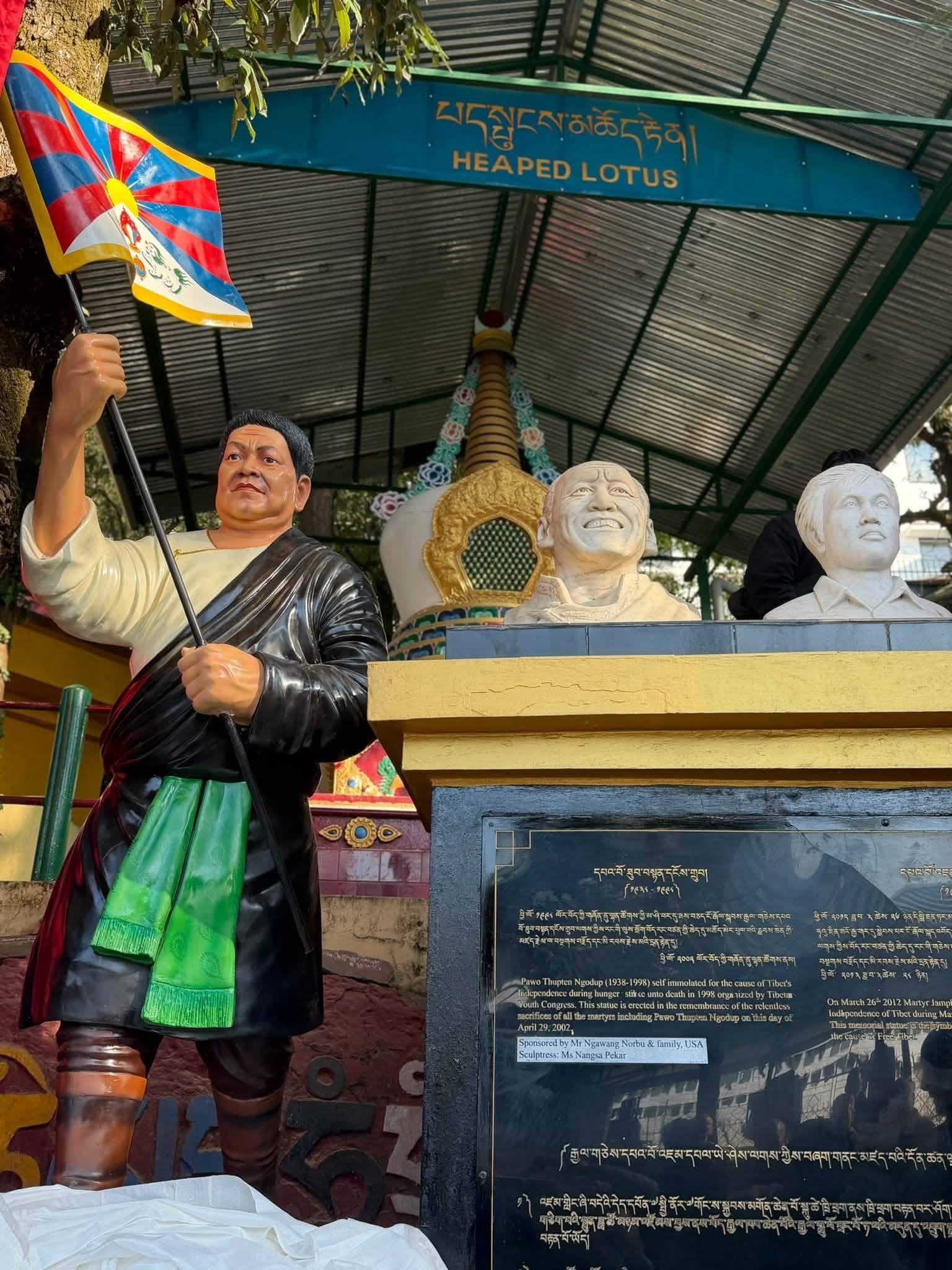
Statues and memorial plaques at Lhagyal-ri in Dharamshala, with a Tibetan flag

Tibetan Activist Who Died by Self-Immolation in New York Honoured with Statue in Dharamshala

DHARAMSHALA, India — A 6.5-foot statue honouring Tibetan activist Lobga Rangzen, who died after setting himself on fire outside the United Nations headquarters in New York earlier this year, was unveiled in Dharamshala on Monday.

Read full story

The statue was inaugurated on 26 October at Lhagyal-ri, behind the Tsuglagkhang Complex in McLeod Ganj, Dharamshala, home to His Holiness the 14th Dalai Lama’s main temple and residence.

Organised by the Dharamshala Regional Tibetan Women’s Association, the ceremony honoured Rangzen’s commitment to Tibetan independence and commemorated those who have lost their lives protesting Chinese rule in Tibet.

The unveiling comes nearly four months after Lobga Rangzen’s death in New York, where his final protest drew attention to Tibet’s struggle for freedom and growing concerns over Chinese government policies aimed at strengthening political and cultural assimilation.

Increased Chinese restrictions reported in Lobga Rangzen’s birthplace

A Tibetan source inside Tibet has told TAN that Chinese authorities have tightened security measures in Kham Tehor, the eastern Tibetan region where Lobga Rangzen was born.

The source, whose identity is being withheld for security reasons, said additional police officers had been deployed in the area following Lobga Rangzen’s self-immolation.

According to the source, local authorities have been instructing residents to describe Lobga Rangzen’s death as the result of personal difficulties rather than a political protest against Chinese rule.

The source also alleged that Lobga Rangzen’s family members and relatives have been placed under restrictions, preventing them from travelling freely, including to neighbouring counties.

The reported measures have raised concerns about the treatment of families associated with Tibetan political activism and the restrictions on freedom of expression in the region.

The source described an atmosphere of fear, with residents reluctant to discuss lobga’s death openly because of possible consequences from local authorities.

TAN has not been able to independently verify the full extent of the reported restrictions, and Chinese authorities have not provided a response to these specific allegations.

A final protest outside the United Nations

Lobga Rangzen, 52, a Tibetan activist and resident of Queens, New York, died following an act of self-immolation outside the United Nations headquarters in Manhattan on 2 July 2026.

Queens is home to one of the largest Tibetan communities in the United States.

On the day of his protest, Rangzen arrived near the United Nations headquarters wearing traditional Tibetan clothing, known as a chupa, and carrying a Tibetan national flag.

He subsequently set himself on fire in protest against Chinese rule in Tibet.

Before his death, lobga Rangzen recorded a video message explaining that his decision was motivated by his commitment to Tibet

In the recording, which was reportedly shared on Facebook before being removed, he called for continued efforts toward Tibetan independence.

His death prompted grief and discussion within Tibetan communities, drawing renewed attention to the political grievances that have led over 150 Tibetans to undertake self-immolation protests.

Decades of Chinese occupation of Tibet

China’s military invasion of Tibet began in 1950, when thousands of Chinese troops entered Tibetan territory. In 1951, Tibetan representatives signed the controversial Seventeen Point Agreement under pressure from Beijing. The Tibetan government-in-exile maintains that the agreement was imposed under duress.

More than seven decades later, Tibet remains under Chinese rule, with Tibetan human rights organisations documenting restrictions on religious freedom, cultural expression, language rights and political dissent.

While Beijing portrays its policies as promoting development, stability and ethnic unity, Tibetan activists argue that these measures have increasingly undermined Tibet’s distinct national identity and cultural heritage.

Lobga Rangzen was a vocal opponent of China’s rule in Tibet and its ethnic unity policies, which he and other Tibetan activists viewed as threats to the survival of Tibetan identity, language and culture.

His final protest was intended to draw international attention to Tibet’s struggle for freedom and the continuing repression faced by Tibetans under Chinese rule.

Statue unveiled in honour of Tibetan freedom struggle

The unveiling of Rangzen’s statue in Dharamshala marks a significant moment of remembrance for members of the Tibetan exile community.

The 6.5-foot memorial stands at Lhagyal-ri, near one of the most important religious and cultural centres for Tibetans in exile.

For those who supported Lobga Rangzen’s campaign for Tibetan independence, the statue represents a lasting tribute to his political convictions and a reminder of the unresolved struggle over Tibet’s future.

According to information received by TAN, Lobga Rangzen’s family and relatives in Kham Tehor continue to face reported restrictions on movement, while local authorities have allegedly sought to discourage public discussion of the political motivations behind his death.

These allegations have not been independently corroborated.

The memorial in Dharamshala is expected to serve as a place of remembrance for Rangzen and other Tibetans who have died during protests against Chinese rule.

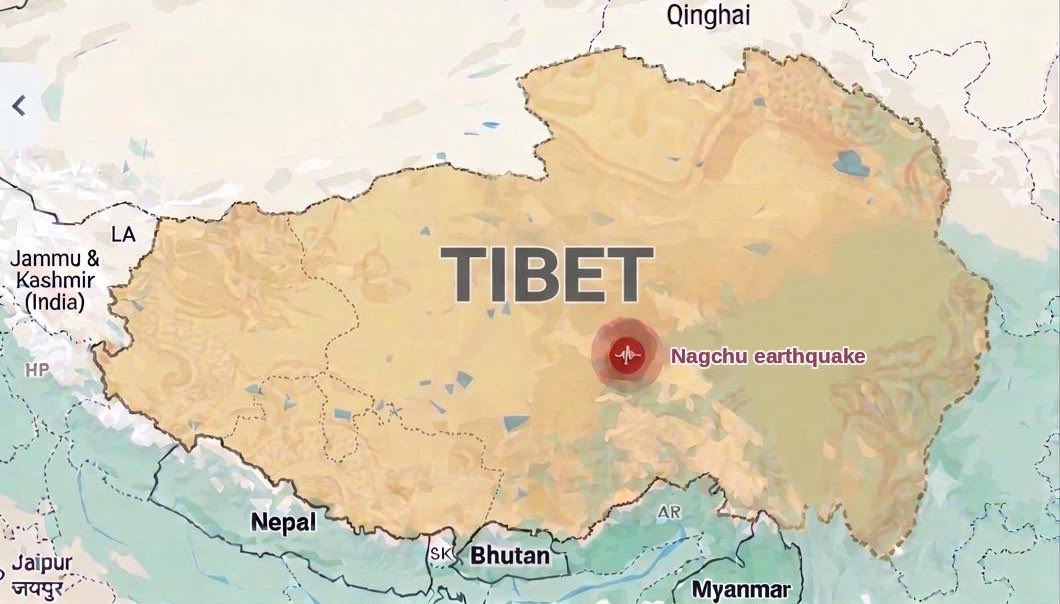
Map supplied to TAN indicating the Nagchu earthquake area

Tibet Earthquake: Residents Report Internet Restrictions and Threats of Punishment for Sharing Footage

Tibetan residents in earthquake-hit northern Tibet have reportedly been warned not to share photographs or videos of the destruction on social media, according to new information received by the Tibetan American Network (TAN), raising concerns over restrictions on communication and access to independent information.

Read full story

A powerful earthquake measuring magnitude 7.0 struck the Nagchu region of northern Tibet on 22 October 2026, causing widespread damage to nomadic communities in and around Dachen (སྦྲ་ཆེན་) County.

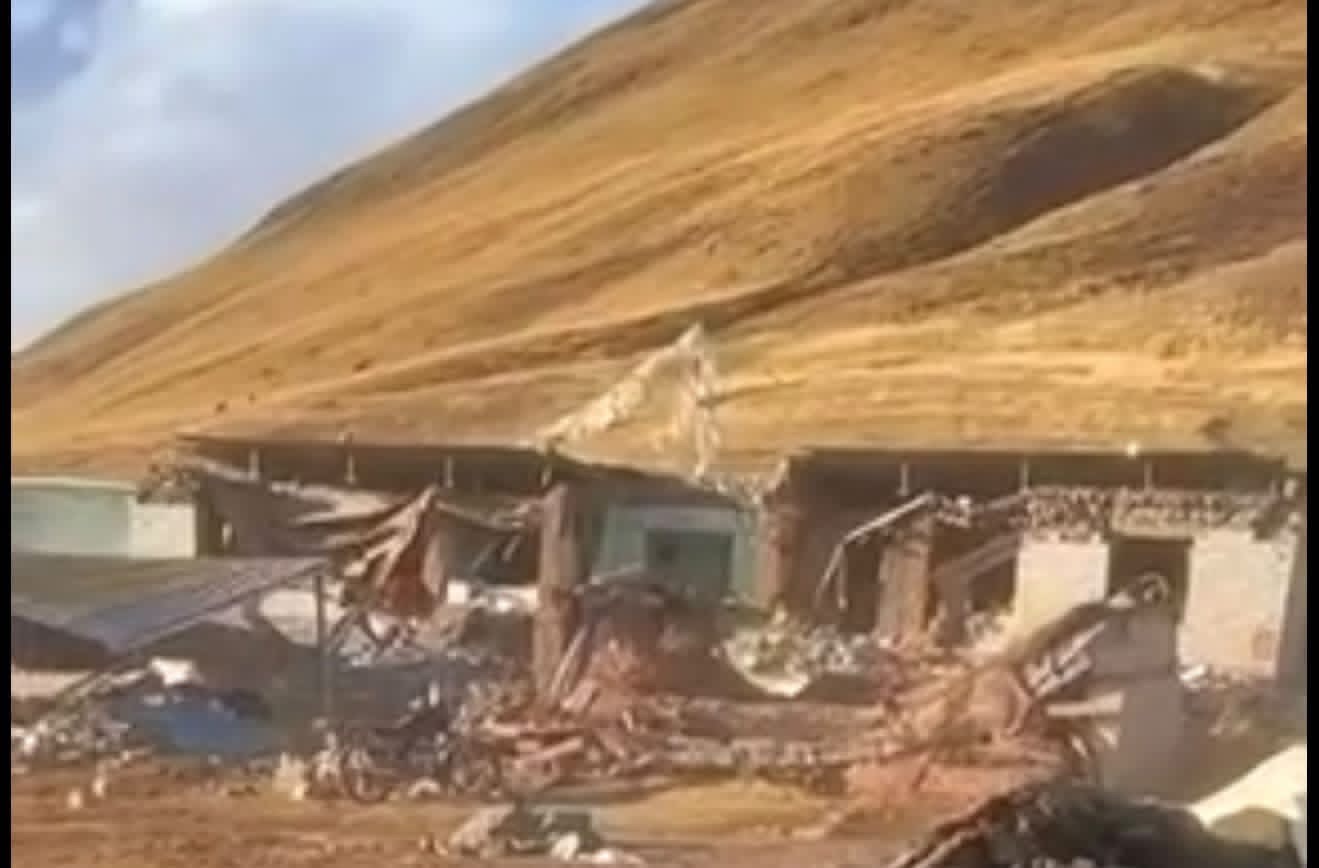
Reports from the affected region describe collapsed homes, destroyed livestock shelters, damaged roads and significant losses of yaks and sheep, which are central to the livelihoods of Tibetan nomadic families.

The full scale of the disaster remains unclear, with difficulties in communication and access complicating independent assessments.

Tibetan resident tells TAN of internet restrictions and warnings

A Tibetan resident from Dachen County, speaking directly to the Tibetan American Network, said local authorities had restricted internet access in the earthquake-affected area.

The resident, whose identity is being withheld for security reasons, said people were currently permitted to make telephone calls but were unable to use the internet.

According to the source, local authorities had warned residents not to upload or distribute photographs and video footage of the earthquake or its aftermath on social media, threatening punishment for those who disobeyed.

The resident described an atmosphere of fear and frustration, saying people felt they had no freedom to speak openly and were expected to follow government instructions without question.

The account raises concerns about the ability of affected communities to document the destruction, communicate with the outside world and seek assistance.

TAN has not independently established the extent of the reported restrictions or whether they apply throughout the wider Nagchu region.

Extensive damage reported across nomadic communities

Figures attributed to Chinese authorities indicate that more than 500 nomadic homes and over 800 livestock shelters have been destroyed.

Chinese official sources have also reported at least 16 deaths and more than 80 injuries. These figures have not been independently verified by TAN, and the full number of casualties remains uncertain.

More than 3,000 yaks and sheep are reportedly believed to have died beneath collapsed structures, causing severe economic losses for families dependent on livestock herding.

Damaged buildings shown in an image supplied to TAN

Landslides and freezing weather hamper rescue efforts

Ngawang Tharpa, a former member of the Tibetan Parliament-in-Exile and a native of neighbouring Sok County, said landslides and mudslides triggered by the earthquake had damaged roads connecting county centres with surrounding villages and townships.

He said power lines and telecommunications infrastructure had also been damaged, making it difficult for residents to contact relatives and for outside organisations to obtain reliable information.

Local reports suggest that more than 30 people have been rescued from collapsed structures, while over 2,000 residents are being relocated from high-risk areas.

Freezing temperatures and difficult mountainous terrain are reportedly hampering rescue and relief operations.

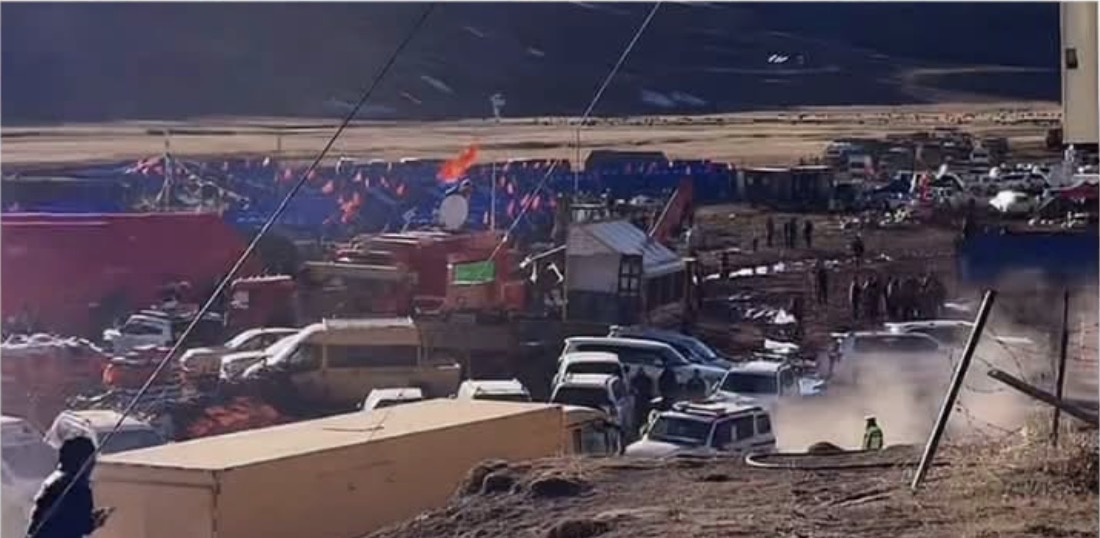
Vehicles and people in the response scene shown in an image supplied to TAN

Former Tibetan MP raises concerns over restrictions on aid

Speaking from New York, Mr Tharpa also cited reports that Chinese authorities were preventing private volunteers, merchants and other independent relief workers from entering the worst-affected areas of Dachen County.

The reported restrictions have raised concerns about whether humanitarian assistance can reach isolated settlements.

TAN has not independently verified these claims, and the reasons for the reported restrictions remain unclear.

Concerns grow over information access in Tibet

The latest testimony received by TAN highlights concerns extending beyond the physical destruction caused by the earthquake.

Restrictions on internet access and threats of punishment for sharing information, if confirmed, could further isolate affected communities and make independent reporting on the disaster more difficult.

For Tibetan nomadic families, the destruction of homes and livestock also threatens their long-term economic security and traditional way of life.

The Tibetan American Network emphasises the importance of unrestricted humanitarian access, transparent information about the disaster and the ability of affected Tibetans to communicate freely and safely.

The full extent of the earthquake’s impact remains uncertain.

ནག་ཆུའི་ས་ཡོམ་གྱི་ས་ཁྲ།

མདོ་ཁམས་སྦྲ་ཆེན་རྫོང་དུ་ས་ཡོམ་རིམ་པ་ ༧།༠ བརྒྱབ་ནས་ས་གནས་ཀྱི་མི་རྒྱུ་ཟོག་གསུམ་ལ་གྱོང་གུན་ཚབས་ཆེན་ཕོག་འདུག

སྤྱི་ལོ་༢༠༢༦ ལོའི་ཟླ་ ༡༠ ཚེས་ ༢༢ ཉིན་གྱི་སྔ་དྲོར། བོད་ནག་ཆུ་ས་ཁུལ་མདོ་ཁམས་སྦྲ་སོག་འབྲི་གསུམ་གྱི་ཡ་གྱལ་སྦྲ་ཆེན་རྫོང་ཁོངས། དམར་རུ་ཡུལ་ཚོའི་ཉེ་འཁོར་དུ་ས་ཡོམ་རིམ་པ་ ༧།༠ ཅན་གྱི་ཆག་སྒོ་ཆེན་་པོ་ཞིག་བྱུང་ནས། ས་གནས་ཀྱི་མི་རྒྱུ་ཟོག་གསུམ་ལ་གྱོང་གུན་ཚབས་ཆེན་ཕོག་ཡོད་པའི་གནས་ཚུལ་ཐོན་ཡོད།

གསར་འགྱུར་ཆ་ཚང་ཀློག་གནང་།

ས་ཡོམ་དེའི་ས་དྲག་པོ་གཡོ་བའི་ཁྲོད་ས་གནས་འབྲོག་པའི་ཁང་ཁྱིམ་ ༥༠༠ ལྷག་དང་། ལྷས་ར་ ༨༠༠ ལྷག་རྨང་ནས་གཏོར་བཤིག་ཐེབས་ཡོད་ཅིང་། མི་ ༡༦ ལྷག་ལ་སྲོག་སྐྱོན་དང་། མི་ ༨༠ ལྷག་ལ་རྨས་སྐྱོན་ལྕི་ཡང་སྣ་ཚོགས་ཐེབས་ཡོད་སྐོར་རྒྱ་གཞུང་གིས་བསྒྲགས་འདུག འོནནཀྱང་། ཤི་རྨས་ཀྱི་ཁ་གྲངས་དེ་ལས་མང་བ་བྱུང་ཡོད་པ་ཚོད་དཔག་བྱེད་བཞིན་འདུག གཞན་ཡང་། འབྲོག་པའི་ཚེ་སྲོག་ལྟ་བུར་གྱུར་པའི་ནོར་གནག་དང་ལུག་༣,༠༠ ལྷག་གྱང་འོག་ཏུ་ཚུད་དེ་ཤི་བསད་བྱུང་ཡོད་པས། མང་ཚོགས་ཀྱི་དཔལ་འབྱོར་ལ་གྱོང་གུན་རྒྱ་ཆེན་པོ་ཕོག་ཡོད།

གནོད་སྐྱོན་ཕོག་པའི་ཁང་ཁྱིམ།

ཕ་ཡུལ་སོག་རྫོང་ནས་ཡིན་པས་སྤྱི་ཟུར་ངག་དབང་མཐར་པ་ལགས་ཀྱིས། ས་ཡོམ་བྱུང་བའི་དགོང་མོ་དེར་རི་ལྡེབས་ནས་འདམ་རྡོའི་རུད་བསྙིལ་བ་དང་ས་བརྡིབས་པའི་རྐྱེན་གྱིས། སྦྲ་ཆེན་རྫོང་ནས་ཞང་དང་གྲོང་ཚོ་ཁག་ལ་འབྲེལ་བའི་གཞུང་ལམ་ཁག་ལ་གཏོར་བཤིག་ཐེབས་ཏེ་སྐྱེལ་འདྲེན་གྱི་ལམ་ཁ་ཆད་ཡོད་པ་དང་། གློག་ཤུགས་དང་འཕྲིན་ལམ་ཡང་ཉམས་ཆག་ཐེབས་པས་ཕྱི་ཕྱོགས་དང་འབྲེལ་བ་བྱེད་པར་དཀའ་ངལ་ཆེན་པོ་འཕྲད་བཞིན་ཡོད་ཅེས་འགྲེལ་བརྗོད་གནང་བྱུང་།

ད་དུང་གནས་ཚུལ་བྱུང་མ་ཐག་ས་གནས་མང་ཚོགས་དང་མྱུར་སྐྱོབ་རུ་ཁག་གིས་མྱུར་དུ་གྱང་འོག་ཏུ་ལུས་པའི་མི་ ༣༠ ལྷག་འཚོལ་བཤེར་དང་། རྨས་མ་རྣམས་ལ་མྱུར་སྐྱོབ་དང་རོགས་སྐྱོབ་བྱེད་པའི་ལས་དོན་འགོ་བཙུགས་ཡོད། དེ་བཞིན་ཉེན་ཡོད་ཁུལ་གྱི་མང་ཚོགས་ ༢,༠༠༠ ལྷག་ཉེན་ཡོལ་ས་གནས་སུ་གནས་སྤོར་བྱེད་བཞིན་ཡོད་ཀྱང་། ནམ་ཟླ་འཁྱགས་ཤིང་གནམ་གཤིས་ངན་པའི་རྐྱེན་གྱིས་མྱུར་སྐྱོབ་ཀྱི་ལས་དོན་ལ་དཀའ་ངལ་འཕྲད་བཞིན་ཡོད།

ས་གནས་ཀྱི་གནས་སྟངས།

འདི་ནི་ཕ་ཡུལ་སྦྲ་ཆེན་རྫོང་གི་མང་ཚོགས་ལ་མཚོན་ན་ཡིད་ཆེས་དཀའ་བའི་ཆག་སྒོ་ཞིག་ཡིན་ཡང་། ས་གནས་མང་ཚོགས་ཀྱིས་ཕན་ཚུན་ལག་པ་སྦྲེལ་ཏེ་དཀའ་ངལ་ལ་གདོང་ལེན་བྱེད་བཞིན་ཡོད་པ་དང་།

གཞན་ཡང་ནིའུ་ཡོག་གནས་སྡོད་སྤྱི་ཟུར་ངག་དབང་མཐར་པ་ལགས་ཀྱིས། རྒྱ་གཞུང་གིས་ད་རེས་ས་ཡོམ་གྱི་གནོད་འཚེ་ཕོག་ཡུལ་ལྟེ་བ་མདོ་ཁམས་སྦྲ་སོག་འབྲི་གསུམ་གྱི་ཡ་གྱལ་སྦྲ་ཆེན་རྫོང་ཁོངས་སུ་ཚོང་པ་སོགས་མི་སྒེར་གྱི་རོགས་པ་བྱེད་མཁན་གཏོང་གི་མེད་པའི་གནས་ཚུལ་འདུག།

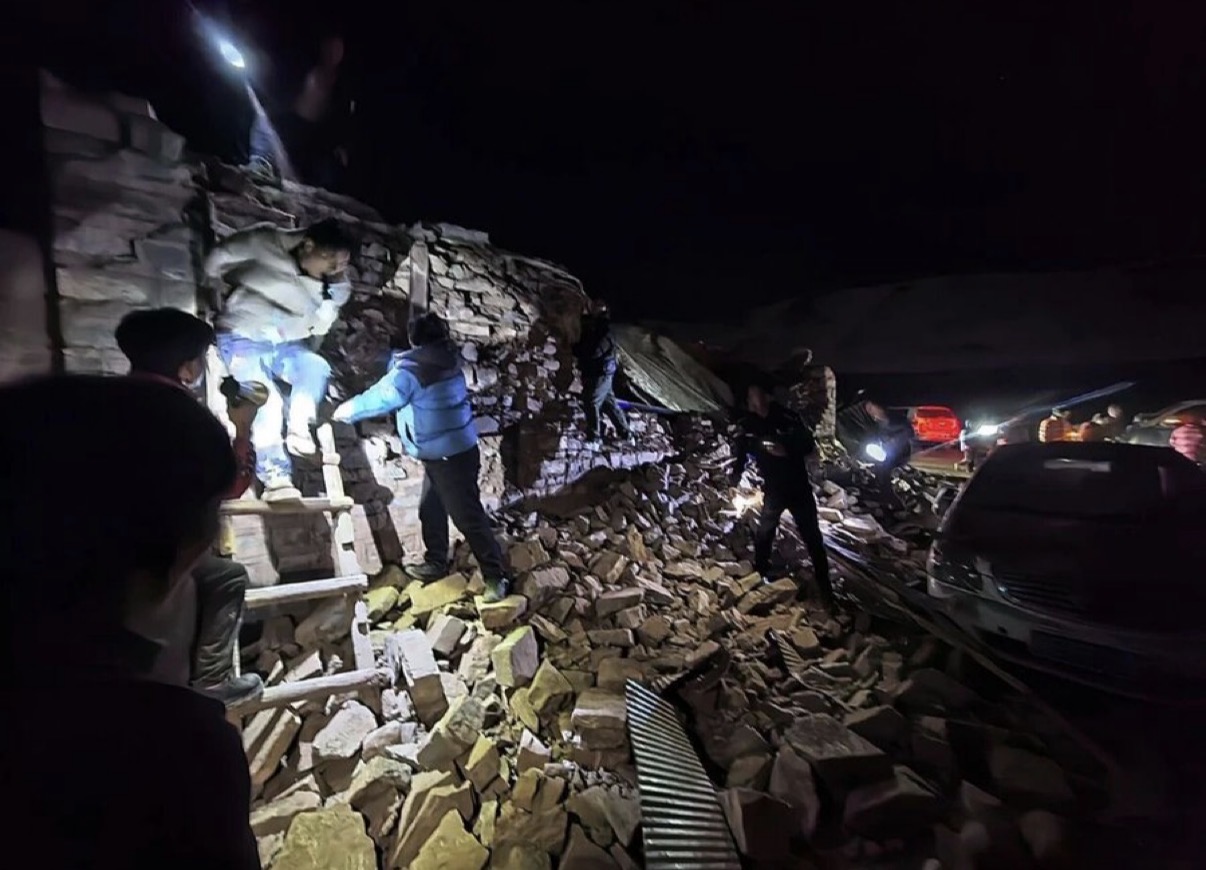
Unverified image supplied to TAN showing people near rubble at night
གཟའ་ཕུར་བུའི་མཚན་མོར་བོད་བྱང་ཕྱོགས་ཀྱི་ནག་ཆུ།

བོད་དུ་ས་ཡོམ་འགུལ་ཚད་༧།༠ ཅན་ཞིག་བརྒྱབ་འདུག

གཟའ་ཕུར་བུའི་མཚན་མོར་བོད་བྱང་ཕྱོགས་ཀྱི་ནག་ཆུར་ས་ཡོམ་འགུལ་ཚད་༧།༠ ཅན་ཞིག་བརྒྱབ་པའི་གནས་ཚུལ་ཐོན་རྗེས། དེ་དང་འབྲེལ་བའི་བརྙན་ཐུང་ཁག་རིམ་པས་ཐོན་བཞིན་འདུག

གསར་འགྱུར་ཆ་ཚང་ཀློག་གནང་།

རྒྱ་ནག་ས་ཡོམ་དྲ་རྒྱའི་ལྟེ་གནས་(CENC) ཀྱི་གནས་ཚུལ་ལྟར་ན། ཟླ་༡༠ ཚེས་༢༢ བོད་ཀྱི་མཚན་མོའི་ཆུ་ཚོད་༡༠ དང་སྐར་མ་༣༣ ཐོག་ས་ཡོམ་བརྒྱབ་ཅིང་། ས་འོག་གཏིང་ཚད་སྤྱི་ལེ་༡༠ (མེ་ལེ་༦།༢) ཡིན་པ་བཤད་འདུག

ས་ཡོམ་བརྒྱབ་ས་ལྟེ་བ་ནི་ནག་ཆུའི་ས་ཁུལ་གྱི་བྱང་འཕྲེད་༣༢།༤༠ དང་། ཤར་གཞུང་༩༣།༧༩ ཐོག་ཡིན་འདུག

ལྷ་ས་དང་། ཉིང་ཁྲི། ཆབ་མདོ་སོགས་བོད་ཀྱི་ས་ཁུལ་གཞན་དག་གི་ཡུལ་མིས་ས་འགུལ་ཤུགས་ཆེན་ཚོར་བའི་གནས་ཚུལ་ཐོན།

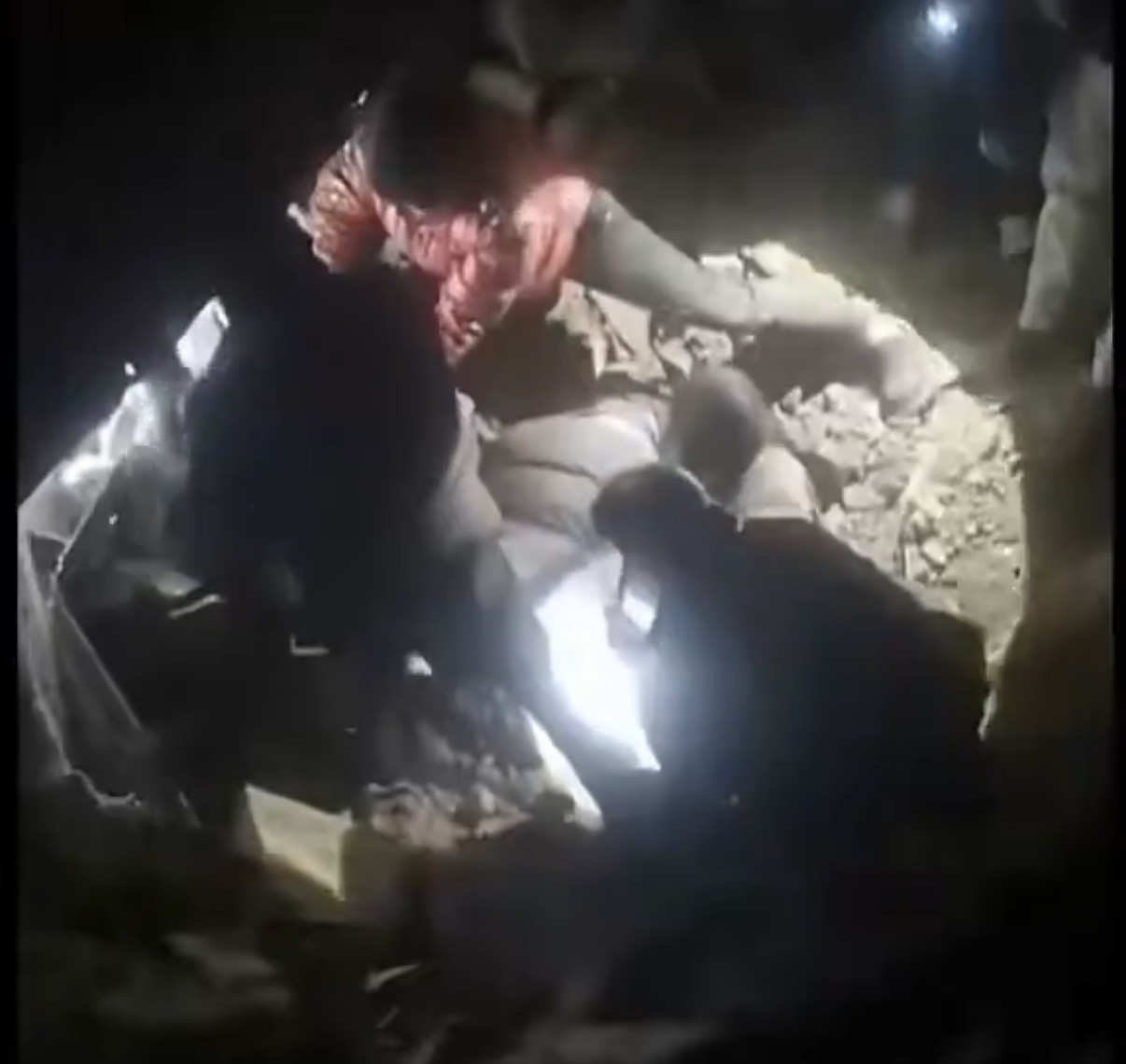
Unverified image supplied to TAN showing people near rubble at night
གཟའ་ཕུར་བུའི་མཚན་མོར་བོད་བྱང་ཕྱོགས་ཀྱི་ནག་ཆུ།

གནོད་སྐྱོན་གྱི་ཚད་གཞི་ད་དུང་གསལ་པོ་མེད་ཅིང་། མི་ཤི་རྨས་ཀྱི་སྐོར་ར་སྤྲོད་བྱུང་བའི་གནས་ཚུལ་ཞིབ་ཕྲ་ཐོན་མེད།

ཨ་རི་བོད་མིའི་བརྙན་འཕྲིན་ལ་ས་ཡོམ་དང་དེ་མ་ཐག་གི་གནས་ཚུལ་དང་འབྲེལ་བའི་བརྙན་ཐུང་འབྱོར་སོང་།

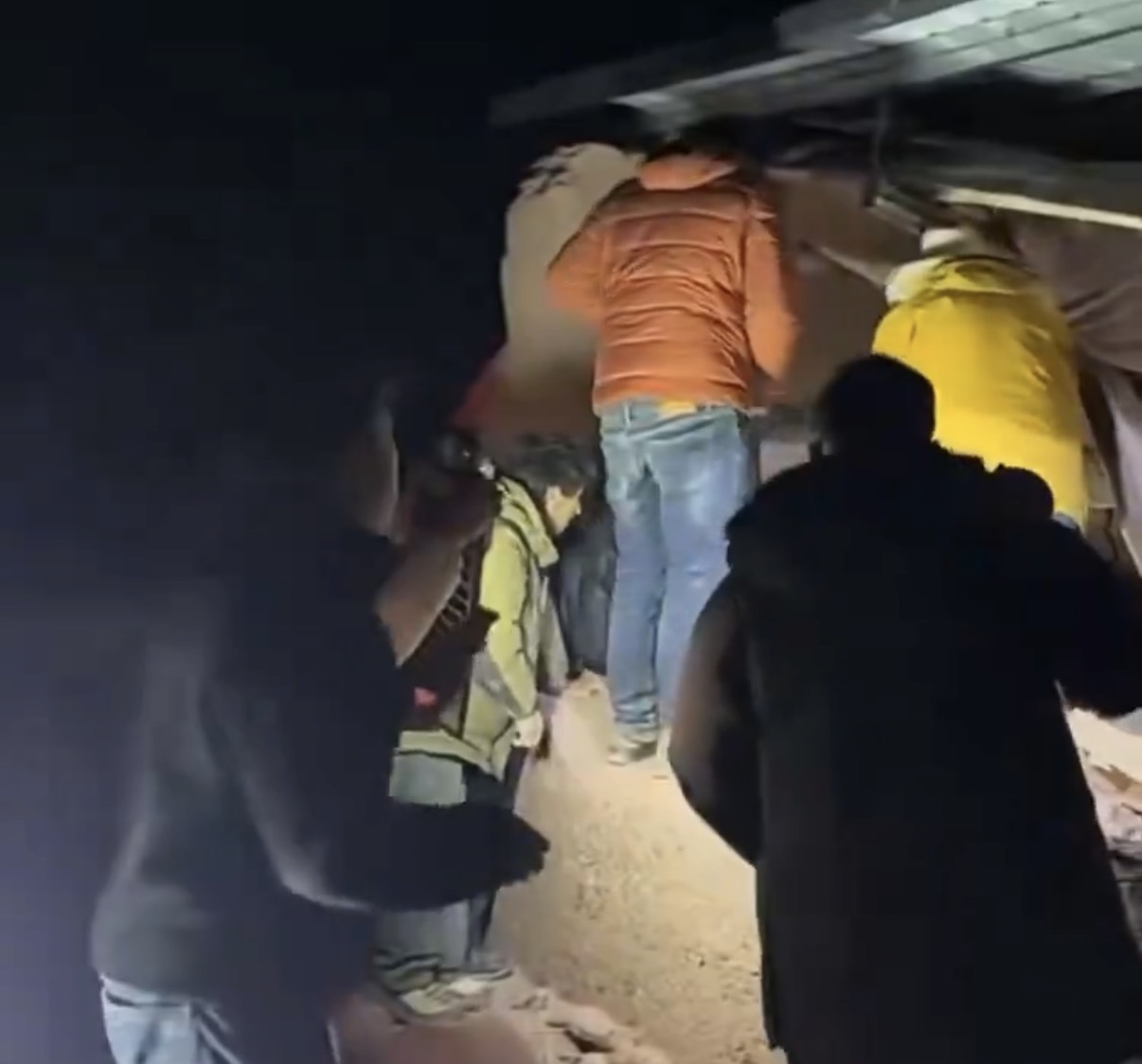
Unverified image supplied to TAN showing people near rubble at night
གཟའ་ཕུར་བུའི་མཚན་མོར་བོད་བྱང་ཕྱོགས་ཀྱི་ནག་ཆུ།

བོད་ནས་འབྱོར་བའི་བརྙན་ཐུང་། པར་རིས་དག་གི་ས་གནས་དང་བདེན་རྫུན་ད་དུང་ར་སྤྲོད་བྱུང་མེད།

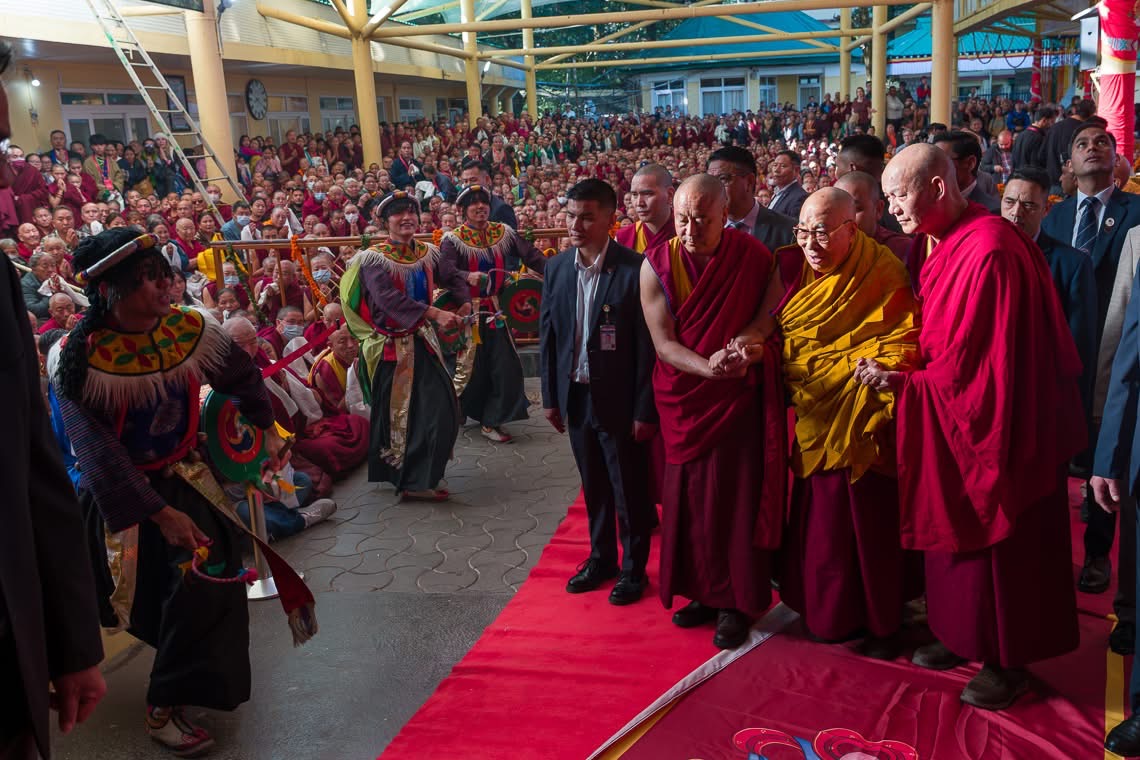
His Holiness the Dalai Lama is welcomed at the temple courtyard in Dharamshala.
༧གོང་ས་མཆོག་རྡ་རམ་ས་ལའི་གཙུག་ལག་ཁང་གི་རྡོ་གཅལ་དུ་ཕེབས་བསུ་ཞུ་བཞིན་པ།
· TAN NEWS

༧གོང་ས་༧སྐྱབས་མགོན་ཆེན་པོ་མཆོག་ལ་བརྟན་བཞུགས་བསྟར་འབུལ་ཞུས་པ།

རྡ་རམ་ས་ལ། ༢༠༢༦ ལོའི་ཟླ་༡༠ ཚེས་༢༡གཟའ་ལྷག་པའི་ཉིན་ ༧གོང་ས་༧སྐྱབས་མགོན་ཆེན་པོ་མཆོག་ལ། བོད་ཀྱི་ཟློས་གར་ཚོགས་པ་དང་། ནོར་བུ་གླིང་ག བལ་ཡུལ་བོད་ཀྱི་ལྷ་མོ་ཚོགས་པ་བཅས་ཀྱིས་མགོན་པོ་གང་ཉིད་མཆོག་སྐུ་ཚེ་ཡུན་རིང་བརྟན་ཆེད་བརྟན་བཞུགས་བསྟར་འབུལ་ཞུས་ཡོད་པ་རེད།

གསར་འགྱུར་ཆ་ཚང་ཀློག་གནང་།

བཞུགས་སྒར་ཐེག་ཆེན་ཆོས་གླིང་གཙུག་ལག་ཁང་དུ་དད་ལྡན་མི་མང་ཧ་ལམ་༥༠༠༠ ཙམ་ལྷན འཛོམས་གནང་སྟེ། ༧གོང་ས་མཆོག་སྐུ་ཚེ་ཞབས་པད་བརྟན་ཅིང་སྐུ་ཁམས་བདེ་བའི་སྨོན་ལམ་ཞུས་ཡོད།

ཕོ་བྲང་ནས་གཙུག་ལག་ཁང་དུ་ཆིབས་བསྒྱུར་གནང་སྐབས། བཀྲ་ཤིས་ཞོལ་པའི་འཁྲབ་སྟོན་པ་དང་། གངས་སེང་དང་གཡག་གི་འཁྲབ་སྟོན་བཅས་ཀྱིས་གླུ་གཞས་དང་རྔ་སྒྲའི་ཁྲོད་ཕེབས་བསུ་ཞུས་ཡོད།

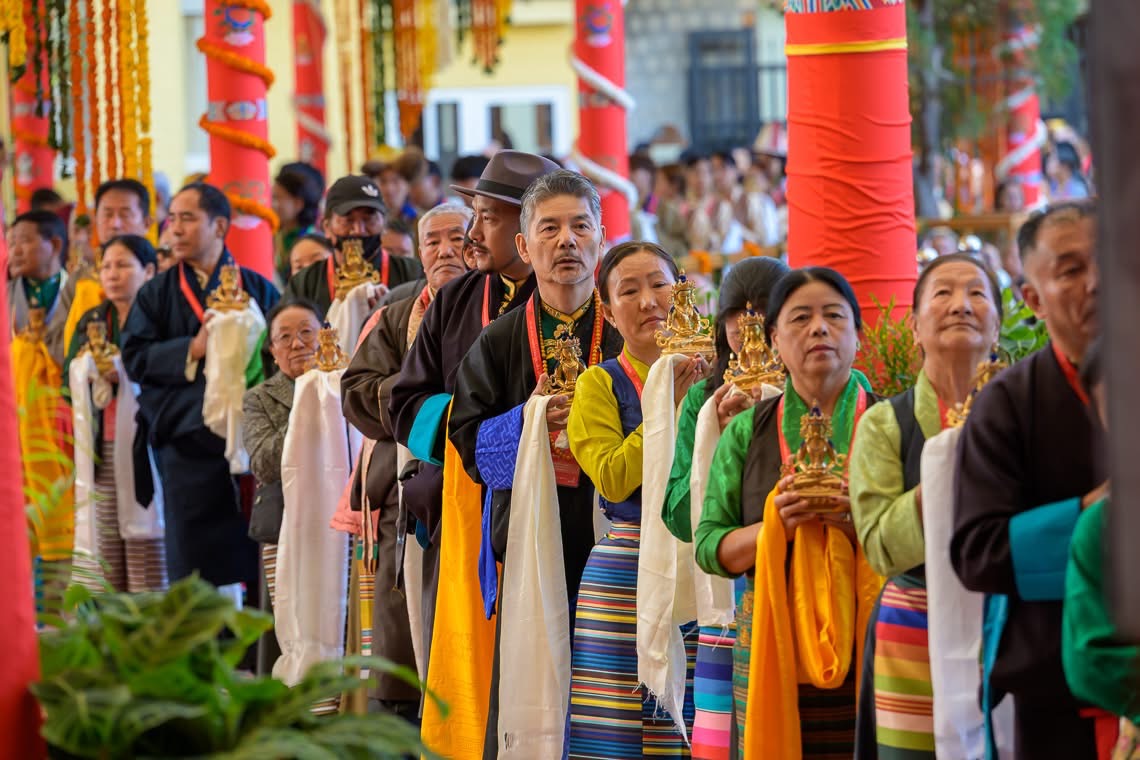
Participants carry ceremonial offerings during the long-life prayers.
རྒྱ་ཆེ་དད་ལྡན་པ་ཚོས་མཆོད་རྫས་འཁྱེར་བཞིན་པ།

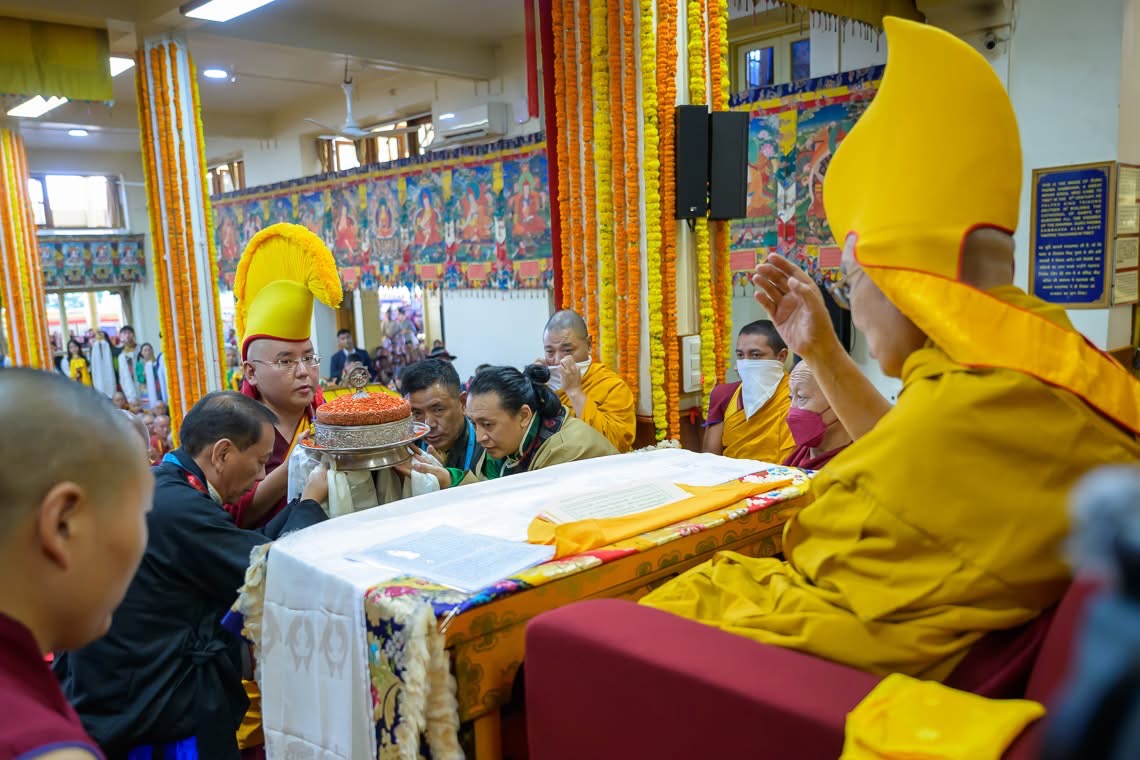
གླིང་རིན་པོ་ཆེ་མཆོག་མཛད་སྒོར་དབུ་བཞུགས་གནང་ཞིང་། ༧གོང་ས་མཆོག་གི་མདུན་ཕྱོགས་སུ་བཞུགས་ཡོད། ཁོང་གི་གཡས་སུ་རྣམ་རྒྱལ་གྲྭ་ཚང་གི་མཁན་པོ་དགེ་བཤེས་བློ་བཟང་བསམ་གཏན་ལགས་དང་། གཡོན་དུ་རྡོ་རྗེ་སློབ་དཔོན་བློ་བཟང་དར་རྒྱས་ལགས་བཞུགས་ཡོད།

བརྟན་བཞུགས་འདི་ནི་རྒྱལ་བ་ལྔ་པ་ཆེན་པོར་གུ་རུ་པདྨ་འབྱུང་གནས་ཚེ་དཔག་མེད་ཀྱི་རྣམ་པར་ཞལ་གཟིགས་བྱུང་རྗེས་མཛད་པའི་ཚེ་དཔག་མེད་ཀྱི་ཚེ་སྒྲུབ་«དྭངས་མ་བཅུད་འདྲེན་»ཞེས་པའི་ཆོ་ག་གཞིར་བཟུང་གནང་ཡོད།

Religious leaders conduct the long-life ritual before His Holiness the Dalai Lama.
༧གོང་ས་མཆོག་གི་སྐུ་མདུན་དུ་བརྟན་བཞུགས་ཀྱི་ཆོ་ག་གནང་བཞིན་པ།

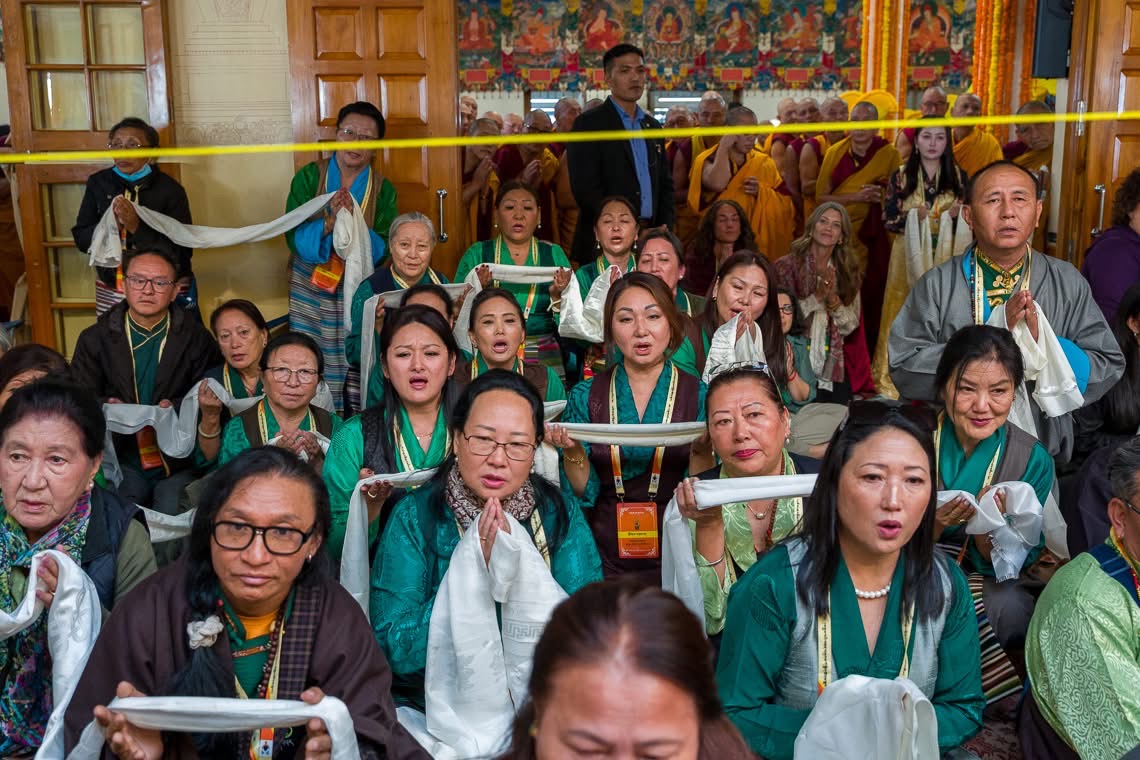
Devotees offer prayers and hold traditional Tibetan scarves.
དད་ལྡན་མི་མང་གིས་ཁ་བཏགས་བཟུང་ནས་གསོལ་འདེབས་ཞུ་བཞིན་པ།

བརྟན་བཞུགས་འདིར་བོད་ཀྱི་ལུགས་དབུ་ཁྲིད་དང་། རིག་གཞུང་འཁྲབ་སྟོན་པ། དད་ལྡན་མི་མང་བཅས་མཉམ་འཛོམས་ཀྱིས། ༧གོང་ས་མཆོག་ལ་གུས་འདུད་དང་སྐུ་ཚེ་ཞབས་པད་བརྟན་པའི་སྨོན་འདུན་ཞུས་ཡོད།

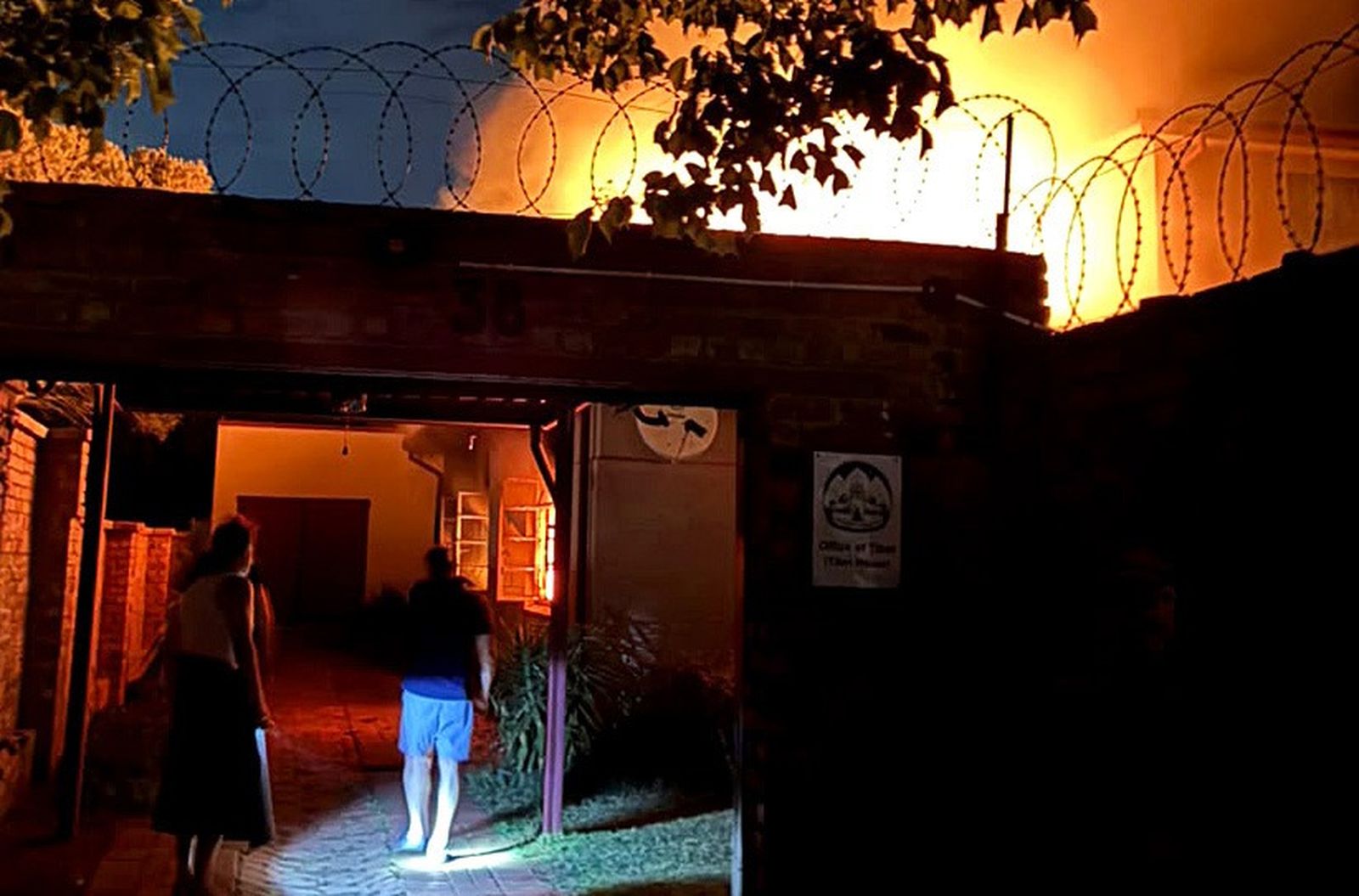
Fire at the Dalai Lama representative’s residence and office near Pretoria
པར། དོན་གྲུབ་རྒྱལ་པོ།
· TAN NEWS

ལྷོ་ཨ་ཕི་རི་ཀའི་༧སྐུ་ཚབ་དོན་གཅོད་ལས་ཁང་ལ་འབར་རྫས་གཡུག་ཏེ་མེ་སྐྱོན་བྱུང་བར། རྒྱ་ནག་གི་བཙན་གནོན་ལ་སེམས་འཚབ་བཏོན།

པི་རི་ཊོ་རི་ཡར་༧གོང་ས་མཆོག་གི་དོན་གཅོད་ལས་ཁང་ལ་འབར་རྫས་གཡུག་ཏེ་མེ་སྐྱོན་བྱུང་ཐེངས་གཉིས་པར་ཉེན་རྟོག་པས་ཞིབ་འཇུག་བྱེད་བཞིན་འདུག་ཅིང་། ཆབ་སྲིད་ཀྱི་དམིགས་ཡུལ་ཡོད་མེད་ཞིབ་བཤེར་བྱེད་དགོས་པའི་འབོད་སྐུལ་བྱས་འདུག

ལྷོ་ཨ་ཕི་རི་ཀའི་ཉེན་རྟོག་པས་པི་རི་ཊོ་རི་ཡར་༧གོང་ས་མཆོག་གི་དོན་གཅོད་ལས་ཁང་འབར་རྫས་གཡུག་ཏེ་མེ་སྐྱོན་བྱུང་བར་ཞིབ་འཇུག་བྱེད་བཞིན་འདུག འདི་ནི་ཟླ་བ་འགའི་ནང་དེ་ལྟའི་དོན་རྐྱེན་ཐེངས་གཉིས་པ་དེ་ཡིན། འགྲོ་བ་མིའི་ཐོབ་ཐང་ལས་འགུལ་བས་རྒྱ་ནག་དང་འབྲེལ་བའི་ཆབ་སྲིད་དམིགས་ཡུལ་ལྡན་པའི་འཇིགས་སྐུལ་ཡིན་སྲིད་པའི་སེམས་འཚབ་བཏོན་འདུག

གསར་འགྱུར་ཆ་ཚང་ཀློག་གནང་།

འབར་རྫས་གཡུག་ཏེ་མེ་སྐྱོན་བྱུང་བའི་དོན་རྐྱེན་དེ་ས་གནས་ཀྱི་དུས་ཚོད་ལྟར་གཟའ་ལྷག་པའི་མཚན་མོའི་ཆུ་ཚོད་༡༡ ཙམ་ལ་བྱུང་འདུག དེས་ཁང་པ་དང་། ནང་ཆས། གཞུང་འབྲེལ་ཡིག་ཆ་བཅས་ལ་གཏོར་སྐྱོན་ཚབས་ཆེན་ཕོག་འདུག་ཅིང་། མི་རྨས་སྐྱོན་ཚབས་ཆེན་བྱུང་བའི་གནས་ཚུལ་རིགས་ད་བར་གང་ཡང་བྱུང་མིན་འདུག

ལྷོ་ཨ་ཕི་རི་ཀའི་༧སྐུ་ཚབ་་དོན་གཅོད་དོན་གྲུབ་རྒྱལ་པོ་ལགས་ཀྱིས། ཤེལ་སྒོ་ཆག་པའི་སྒྲ་གོ་བ་དང་ཁང་པའི་ནང་དུ་དུ་བ་ཁྱབ་པ་མཐོང་རྗེས། སྒེའུ་ཁུང་བརྒྱུད་ཕྱིར་བྲོས་ཐར་བྱུང་བ་གསུངས་ཡོད།

ཁོང་གིས་ཨ་རི་བོད་མིའི་བརྙན་འཕྲིན་ལ། “ངས་ཤེལ་སྒོ་ཆག་པའི་སྒྲ་གོ་བ་དང་ཁང་པའི་ནང་དུ་དུ་བ་འཛུལ་བཞིན་པ་མཐོང་བྱུང་། དོན་རྐྱེན་ག་རེ་བྱུང་བ་ཤེས་མ་ཐག་ངས་སྒེའུ་ཁུང་གཅིག་བཅག་ནས་ཕྱི་ལ་ཐོན་པ་ཡིན།” ཞེས་གསུངས་བྱུང་།

ཁོང་གིས་ཁང་པའི་ཕྱིར་བྲོས་སྐབས་ཤེལ་ཆག་གིས་རྨས་སྐྱོན་ཆུང་ངུ་ཕོག་པ་དང་། སྒེའུ་ཁུང་གི་ཉེ་འགྲམ་དུ་འབར་རྫས་གཞན་ཞིག་ཀྱང་རྙེད་པ་གསུངས་བྱུང་།

འབར་རྫས་གཡུག་ཏེ་མེ་སྐྱོན་བྱུང་བའི་དོན་རྐྱེན་འདིའི་གོང་དུ་ཟླ་༧ པའི་ནང་༧གོང་ས་མཆོག་དགུང་ལོ་དགུ་བཅུ་གོ་གཅིག་ལ་ཕེབས་པའི་སྐུའི་འཁྲུངས་ཉིན་དེ་འདྲའི་དོན་རྐྱེན་གཞན་ཞིག་བྱུང་ཡོད།

ཉེན་རྟོག་པའི་ཞིབ་འཇུག་བྱེད་བཞིན་པ།

ལྷོ་ཨ་ཕི་རི་ཀའི་ཉེན་རྟོག་པས། མེ་གསོད་ལས་བྱེད་ཀྱིས་མེ་བསད་རྗེས། ཉེས་དོན་ཞིབ་འཇུག་པ་དང་ཉེས་དོན་རྗེས་ཤུལ་བརྟག་དཔྱད་ཀྱི་ཆེད་ལས་པ་རྣམས་དོན་རྐྱེན་ས་གནས་སུ་འབྱོར་ཡོད་པ་གསུངས་འདུག

ཉེན་རྟོག་པའི་མགྲིན་ཚབ་པ་བྷི་ཨེམ་ མུ་རི་ཌི་ལི་ཡིས་ཨེ་ཤ་ཡ་རང་དབང་རླུང་འཕྲིན་ཁང་ལ། ཞིབ་འཇུག་མུ་མཐུད་བྱེད་བཞིན་ཡོད་པ་དང་མི་སུ་ཡང་ད་ལྟའི་ཆར་མི་སུ་ཡང་བཟུང་བྱས་མེད་པ་བཤད་འདུག

དོན་འགྲུབ་རྒྱལ་པོ་ལགས་ཀྱིས། སྐབས་དེར་ཁང་པའི་ནང་དུ་བ་ཧ་ཅང་མཐུག་པོ་ཡོད་པས། དབུགས་གཏོང་བ་དང་མཐོང་རྒྱུར་དཀའ་ངལ་ཡོད་པ་གསུངས།

ལས་ཁང་དེའི་ལས་བྱེད་གཞན་ཞིག་སྟེ་མཁན་པོ་འཇམ་དབྱངས་མགོན་པོ་མཆོག་ལ་རྨས་སྐྱོན་མ་ཕོག་པར་བྲོས་ཐར་བྱུང་འདུག

འབྲེལ་ཡོད་གཞུང་འབྲེལ་མི་སྣས། འབར་རྫས་ཀྱི་དོན་རྐྱེན་ཐེངས་གཉིས་ཀའི་དོགས་གཞི་ཅན་སུ་ཡིན་ནམ། དམིགས་ཡུལ་གང་ཡིན་མིན་ད་དུང་ཡང་ཁྱབ་བསྒྲགས་བྱས་མེད།

འགྲོ་བ་མིའི་ཐོབ་ཐང་དོན་གཉེར་བ་དང་ལས་འགུལ་བས། འདི་ནི་རྒྱལ་མཚམས་བརྒལ་བའི་བཙན་གནོན་ཡིན་ཟེར།

ནིའུ་ཡོག་ཏུ་རྟེན་གཞི་བྱས་པའི་བོད་རང་བཙན་སློབ་ཕྲུག་ཚོགས་པས། དོན་རྐྱེན་དེར་ངོ་རྒོལ་བྱས་ཤིང་། འདི་ནི་ཕྱི་རྒྱལ་གྱི་བོད་མིར་དམིགས་པའི་རྒྱལ་མཚམས་བརྒལ་བའི་བཙན་གནོན་ལས་འགུལ་ཤུགས་ཆེར་སྤེལ་བཞིན་པའི་ཆ་ཤས་ཤིག་ཡིན་པ་གསུངས་འདུག

ཚོགས་པ་དེས་རྒྱ་ནག་གཞུང་གིས་བོད་ཕྱིར་ལ་ཡོད་པའི་བོད་མིའི་སྤྱི་ཚོགས་ལ་འཇིགས་སྐུལ་བྱེད་བཞིན་ཡོད་པའི་སྐྱོན་བརྗོད་བྱས་ཤིང་། ད་རེས་ཀྱི་འབར་རྫས་དོན་རྐྱེན་འདི་ནི་པེ་ཅིང་དང་འབྲེལ་བ་ཡོད་ཡོད་པ་གསུངས་འདུག

བོད་རང་བཙན་སློབ་ཕྲུག་ཚོགས་པ་ཡིས་གསལ་བསྒྲགས་ཤིག་ནང་། རྒྱ་ནག་ཙམ་མ་ཟད་ཕྱི་རྒྱལ་གྱི་ཐེ་བྱུས་མེད་པའི་རང་དབང་ལྡན་པའི་ཐོག་ནས་ཞིབ་འཇུག་ཅིག་བྱེད་དགོས་པའི་འབོད་སྐུལ་བྱས་འདུག

ཚོགས་པ་དེས། “ཁྲིམས་སྲུང་ལས་ཁུངས་ཀྱིས་དོན་རྐྱེན་འདི་དག་ནི་ས་གནས་ཀྱི་ཉེས་དོན་དཀྱུས་མ་ཙམ་དུ་བརྩིས་ནས་སྣང་མེད་དུ་གཏོང་མི་རུང་། ཆབ་སྲིད་ཀྱི་དམིགས་ཡུལ་དང་ཕྱི་རྒྱལ་གཞུང་གི་ཐེ་ཇུས་ཡོད་སྲིད་པ་གསལ་པོར་ཞིབ་བཤེར་བྱེད་དགོས།” ཞེས་གསུངས་འདུག

རྒྱལ་མཚམས་བརྒལ་བའི་བཙན་གནོན་ཞེས་པ་ནི། གཞུང་ཁག་གིས་རང་གི་རྒྱལ་ཁབ་ཕྱིར་གནས་པའི་མི་རྣམས་ལ་འཇིགས་སྐུལ་དང་། ལྟ་ཞིབ། ཁ་བཀག་བཅས་བྱེད་པའི་འབད་བརྩོན་ལ་གོ་གི་ཡོད།

བོད་ཀྱི་འགྲོ་མིའི་ཐོབ་ཐང་དང་འབྲེལ་བའི་ཚོགས་པ་ཁག་གིས། ཕྱི་རྒྱལ་དུ་ཡོད་པའི་བོད་མིའི་སྤྱི་ཚོགས་ལ་རྒྱ་ནག་གིས་ལྟ་སྲུང་དང་འཇིགས་སྐུལ་བྱེད་ཀྱི་ཡོད་པའི་སྐོར་ཡང་ཡང་སེམས་འཚབ་བཏོན་ཡོད། པེ་ཅིང་གིས་དེ་སྔ་བོད་མིར་འཆར་གཞི་ལྡན་པའི་བཙན་གནོན་བྱེད་ཀྱི་ཡོད་པའི་ཉེས་འཛུགས་ཁས་ལེན་བྱས་མེད།

ཊུ་ཊུ་ཐེབས་རྩ་ཚོགས་པས་དྲག་སྤྱོད་ལ་ངོ་རྒོལ།

ཌེས་མོནཌ་དང་ལི་ཡ་ཊུ་ཊུ་ཤུལ་བཞག་ཐེབས་རྩ་ཚོགས་པས་ཀྱང་དོན་རྐྱེན་དེར་སེམས་འཚབ་བཏོན་ཞིང་། ཆོས་ལུགས་དད་མོས་དང་། རང་དབང་། འདྲ་མཉམ་བཅས་སྲུང་སྐྱོབ་བྱེད་དགོས་པའི་འབོད་སྐུལ་གནང་འདུག

ཐེབས་རྩ་ཚོགས་པ་དེས། བླ་ཆེན་ཌེས་མོནཌ་ཊུ་ཊུ་དང་༧གོང་ས་མཆོག་དབར་གྱི་ཡུན་རིང་གི་མཛའ་འབྲེལ་ལ་ཕྱིར་དྲན་གནང་ཞིང་། ཁོང་རྣམ་གཉིས་ནི་འཚེ་བ་མེད་པའི་ལམ་བུར་གཞོལ་བའི་ནོ་བྷེལ་ཞི་བདེའི་གཟེངས་རྟགས་བཞེས་མཁན་ཡིན།

The Dalai Lama and Archbishop Desmond Tutu sharing a joyful moment
༧གོང་ས་མཆོག་དང་བླ་ཆེན་ཌེས་མོནཌ་ཊུ་ཊུ་མཆོག པར་པ། བསྟན་འཛིན་ཆོས་འབྱོར་ལགས།

ཐེབས་རྩ་ཚོགས་པས། “ང་ཚོ་ལྷོ་ཨ་ཕི་རི་ཀའི་བོད་མིའི་སྤྱི་ཚོགས་དང་། ལྷག་པར་དུ་དོན་གཅོད་ཁང་གི་ལས་བྱེད་ཚང་མའི་མཉམ་དུ་གདུང་སེམས་མཉམ་བསྐྱེད་ཡོད།” ཅེས་གསུངས་འདུག

“ལྷོ་ཨ་ཕི་རི་ཀའི་སྤྱི་ཚོགས་གང་ཞིག་ཡིན་ཡང་། རང་ཉིད་སུ་ཡིན་པ་དང་། གང་ནས་ཡོང་བ། གང་ལ་ཡིད་ཆེས་བྱེད་པ་བཅས་ཀྱི་རྐྱེན་གྱིས་རང་གི་ཁྱིམ་ལ་མེ་སྦར་ཡོང་ངམ་སྙམ་པའི་སེམས་ཁྲལ་དང་བཅས་གཉིད་ཉལ་དགོས་པ་ཞིག་མི་འབྱུང་བ་བྱེད་དགོས།”

གསལ་བསྒྲགས་དེས་རྒྱལ་ཁབ་དེའི་ནང་གི་ཆོས་ལུགས་སྐུ་ཚབ་དང་གྲངས་ཉུང་མིརིགས་ཀྱི་བདེ་འཇགས་ལ་སེམས་འཚབ་ཡོད་པ་ནན་བརྗོད་གནང་འདུག

“ང་ཚོ་ནམ་ཡང་འཇིགས་ཀྱི་མེད།”

རྒོལ་རྡུང་ཡང་ཡང་བྱུང་ཡང་། དོན་འགྲུབ་རྒྱལ་པོ་ལགས་ཀྱིས། དོན་གཅོད་ཀྱི་ལས་དོན་མུ་མཐུད་སྤེལ་རྒྱུར་མཆོད་སེམས་བརྟན་པོ་ཡོད་པ་ཨ་རི་བོད་མིའི་བརྙན་འཕྲིན་ལ་གསུངས་ཤིང་། ནམ་ཡང་སྐྲག་གི་མིན་འདུག་ལ། བཀག་འགོག་ཀྱང་བྱེད་མི་ཐུབ། ཅེས་གསུངས་བྱུང་།

ཁོང་གིས་དོན་རྐྱེན་འདི་དག་འཇིགས་སྐུལ་གྱི་བརྡ་ཞིག་གཏོང་བའི་དམིགས་ཡུལ་ཡིན་སྲིད་པར་བསམ་གྱི་ཡོད་ཀྱང་། སུས་བྱས་པ་ད་དུང་གསལ་པོ་མེད་པ་ནན་བརྗོད་གནང་།

ཁོང་གིས། “ང་ཚོར་འཇིགས་སྐུལ་བྱེད་པའི་ཉེན་བརྡ་དེའི་རིགས་ལ་ནམ་ཡང་། འཇིགས་ཀྱི་མེད།” ཅེས་གསུངས་བྱུང་།

ཁོང་གིས་མུ་མཐུད། “ང་ཚོས་ལྷོ་ཨ་ཕི་རི་ཀའི་མི་མང་ལ་སྡང་དགོས་པའི་རྒྱུ་མཚན་མེད་ལ། ལྷོ་ཨ་ཕི་རི་ཀའི་མི་མང་གིས་ཀྱང་ང་ཚོར་མི་དགའ་བྱེད་དགོས་པའི་རྒྱུ་མཚན་མེད།” ཅེས་གསུངས་ཡོད།

ད་བར་རྒོལ་རྡུང་ཐེངས་གཉིས་བྱུང་རྗེས། ༧གོང་ས་མཆོག་གི་དོན་གཅོད་ལས་ཁང་ཉེ་འགྲམ་གྱི་བདེ་འཇགས་ཤུགས་ཆེ་རུ་གཏོང་བ་དང་། དོན་རྐྱེན་གཉིས་དབར་འབྲེལ་བ་ཡོད་མེད་སྐོར་ཞིབ་འཇུག་གཏིང་ཟབ་བྱེད་དགོས་པའི་འབོད་སྐུལ་གནང་བཞིན་འདུག

ད་ལྟའི་ཆར་ཉེན་རྟོག་པས་དོན་རྐྱེན་དེ་དག་ཆབ་སྲིད་ཀྱི་དམིགས་ཡུལ་ལྡན་པའམ། ཕྱི་རྒྱལ་གཞུང་གང་ཞིག་དང་འབྲེལ་བ་ཡོད་མེད་ར་འཕྲོད་བྱུང་མེད།

འབྲེལ་ཡོད་གསར་འགྱུར། Radio Free Asia

TAN news poster of the cabinet secretary handover ceremony in Dharamshala
· TAN NEWS

འབུམ་རམས་པ་ཨརྱ་ཚེ་དབང་རྒྱལ་པོ་ལགས་ཀྱིས་བཀའ་དྲུང་གི་ལས་ཁུར་ཞུས་པ།

༄༅། །ཕྱི་ལོ་ ༢༠༢༦ ཟླ་བ་ ༡༠ ཚེས་ ༡༤ ཉིན་བཀའ་དྲུང་ཤ་འབྲོང་བཀྲ་ཤིས་རྒྱ་མཚོ་ལགས་དང་བཀའ་དྲུང་གསར་པ་འབུམ་རམས་པ་ཨརྱ་ཚེ་དབང་རྒྱལ་པོ་ལགས་རྣམ་གཉིས་དབར་རྩིས་སྤྲོད་རྩིས་ལེན་གྱི་མཛད་སྒོ་སྟབས་བདེ་ཞིག་ཚོགས་ཡོད།

གསར་འགྱུར་ཆ་ཚང་ཀློག་གནང་།

དེ་ཡང་གོང་ཚེས་ཉིན་གྱི་སྔ་དྲོ་ཆུ་ཚོད་ ༩།༡༠ ཙམ་ལ་བཀའ་དྲུང་ཡིག་ཚང་དུ་སྤྲོད་དཔང་ཕྱི་དྲིལ་དྲུང་ཆེ་ཀརྨ་རིན་ཆེན་ལགས་དང་། བཀའ་དྲུང་ཟུར་པ་ཤ་འབྲོང་བཀྲ་ཤིས་རྒྱ་མཚོ་ལགས། བཀའ་དྲུང་གསར་པ་འབུམ་རམས་པ་ཨརྱ་ཚེ་དབང་རྒྱལ་པོ་ལགས་བཅས་ལྷན་འཛོམས་ཀྱིས་ཐོག་མར་བཀའ་དྲུང་གསར་རྙིང་གཉིས་ནས་༸རྒྱལ་བའི་སྐུ་པར་མཐོང་གྲོལ་རིན་པོ་ཆེར་སྐུ་ཕྱག་དང་མཇལ་དར་ཕུལ་གྲུབ་མཚམས་བཀའ་དྲུང་ཟུར་པ་ཤ་འབྲོང་བཀྲ་ཤིས་རྒྱ་མཚོ་ལགས་ཀྱིས་བཀའ་དྲུང་གསར་པ་འབུམ་རམས་པ་ཨརྱ་ཚེ་དབང་རྒྱལ་པོ་ལགས་ལ་ཞབས་སྟེགས་རྩིས་སྤྲོད་ཀྱིས་མཇལ་དར་ཕུལ།

དེ་རྗེས་སྤྲོད་དཔང་དབུ་བཞུགས་ཐོག་བཀའ་དྲུང་ཟུར་པ་ཤ་འབྲོང་བཀྲ་ཤིས་རྒྱ་མཚོ་ལགས་ནས་བཀའ་དྲུང་གསར་པ་འབུམ་རམས་པ་ཨརྱ་ཚེ་དབང་རྒྱལ་པོ་ལགས་ལ་ལས་ཐམ་དང་། ཡིག་དངོས་རྩ་ཆེ་ཁག་གཅིག་རྩིས་སྤྲོད་དང་། སྤྲོད་དཔང་དྲུང་ཆེ་ཀརྨ་རིན་ཆེན་ལགས་ཀྱིས་རྟེན་འབྲེལ་མཚོན་བྱེད་མཇལ་དར་ཕུལ་རྗེས་བཀའ་ཡིག་ཁྱབ་ཁོངས་དང་བཅས་པའི་ལས་བྱེད་ཡོངས་ནས་རྟེན་འབྲེལ་གྱི་མཇལ་དར་ཕུལ་ཏེ་མཛད་སྒོ་བདེ་ལེགས་ངང་གྲོལ།

དེ་ཡང་འབུམ་རམས་པ་ཨརྱ་ཚེ་དབང་རྒྱལ་པོ་ལགས་ནི། མ་སུ་རི་གཏན་སློབ་ཐོན་རྗེས་རྒྱ་གར་པན་ཇབ་མཐོ་སློབ་ནས་ཉེ་བའི་རབ་འབྱམས་པ་བསླབ་པ་མཐར་སོན་པ་དང་། རྒྱ་གར་ལྷོ་ཕྱོགས་ཏ་མིལ་ནཱ་དུ་མངའ་སྡེའི་ནང་རྟེན་གཞི་བྱས་པའི་ཨ་ན་མ་ལ་ཡི་མཐོ་སློབ་ནས་དཔལ་འབྱོར་རིག་པའི་ཐོག་གཙུག་ལག་རབ་འབྱམས་པའི་སློབ་མཐར་སོན། དེ་ནས་ལྡི་ལི་མཐོ་སློབ་ནས་ཉི་འོང་རིག་པའི་གཙུག་ལག་རབ་འབྱམས་དང་། ཏཱོ་ཀྱོར་རྟེན་གཞི་བྱས་པའི་ Chiyoda College of Business ཞེས་པ་ནས་རྒྱལ་སྤྱིའི་ཚོང་ལས་དང་དཔལ་འབྱོར་ཐོག་ཌིབ་ལོ་མ། ལྡི་ལི་མཐོ་སློབ་ནས་འབུམ་རམས་པའི་སློབ་གཉེར་བཅས་གནང་།

ཕྱི་ལོ་ ༡༩༨༨ ཕྱི་ཟླ་ ༤ ནང་དཔལ་འབྱོར་ལས་ཁུངས་སུ་ཐོག་མར་ཕྱག་ལས་གནང་བ་ནས་བཟུང་ལས་འགན་འདྲ་མིན་ནང་ཕྱག་ལས་གནང་བའི་ཁོངས་ནས་གཙོ་ཆེ་ཡིད་ཆེས་དགེ་རྩའི་ཚོང་ལས་སྡེ་ཚན་གྱི་སྤྱི་ཁྱབ་འགན་འཛིན་དང་། ལྡི་ལི་དཔལ་འབྱོར་པར་སྐྲུན་ཁང་གི་འགན་འཛིན་སོགས་གནང་། ཕྱི་ལོ་ ༢༠༠༥ ཟླ་བ་ ༦ ཚེས་ ༡༦ ཉིན་ཉི་འོང་བོད་ཀྱི་སྐུ་ཚབ་དོན་ཁང་གི་དྲུང་གཞོན་དུ་གནས་སྤོས། ཕྱི་ལོ་ ༢༠༠༨ ཟླ་བ་ ༢ ཚེས་ ༢༦ ཉིན་ཟུང་དྲུང་གནས་རིམ་དུ་གནས་སྤར། ཕྱི་ལོ་ ༢༠༡༣ ཟླ་བ་ ༡༡ ཚེས་ ༡༥ ཉིན་ལྡི་ལི་སྐུ་ཚབ་དོན་གཅོད་ཁང་གི་ཟུང་དྲུང་གནས་རིམ་ཐོག་དྲུང་ཆེར་བསྐོ་གཞག་གནང་། ཕྱི་ལོ་ ༢༠༡༤ ཟླ་བ་ ༨ ཚེས་ ༢༢ ཉིན་དྲུང་འཕར་གནས་རིམ་དུ་གནས་སྤར་གྱིས་ལས་འགན་རང་འཇགས།

ཕྱི་ལོ་ ༢༠༡༨ ཟླ་བ་ ༤ ཚེས་ ༡༦ ཉིན་ནང་སྲིད་ལས་ཁུངས་ཀྱི་དྲུང་འཕར་དུ་གནས་སྤོས། ཕྱི་ལོ་ ༢༠༡༨ ཟླ་བ་ ༡༢ ཚེས་ ༢༡ ཉིན་ཕྱི་དྲིལ་ལས་ཁུངས་སུ་གནས་སྤོས་ཀྱིས་བོད་ཀྱི་གསར་འགྱུར་ཚན་པའི་འགན་འཛིན་གནང་མུས་ཐོག་ཕྱི་ལོ་ ༢༠༡༩ ཟླ་བ་ ༥ ཚེས་ ༣ ནས་དྲུང་ཡིག་ཆེན་མོའི་གནས་རིམ་དུ་གནས་སྤར་གྱིས་དྲིལ་བསྒྲགས་དྲུང་ཆེར་བསྐོ་གཞག་གནང་། ཕྱི་ལོ་ ༢༠༡༩ ཟླ་བ་ ༡༠ ཚེས་ ༡༧ ཉིན་བོད་ཀྱི་སྲིད་བྱུས་ཉམས་ཞིབ་ཁང་གི་འགན་འཛིན་གཅིག་ལྕོགས་སུ་བསྐོ་གཞག་གནང་། ཕྱི་ལོ་ ༢༠༢༠ ཟླ་བ་ ༡༠ ཚེས་ ༠༡ ཉིན་ཉི་འོང་སྐུ་ཚབ་དོན་གཅོད་དུ་བསྐོ་གཞག་གནང་། ཕྱི་ལོ་ ༢༠༢༦ ཟླ་བ་ ༡༠ ཚེས་ ༡༢ ཉིན་ནས་བཀའ་དྲུང་ཡིག་ཚང་གི་བཀའ་དྲུང་དུ་བསྐོ་གཞག་གནང་ཡོད་པ་རེད།

བོད་མིའི་སྒྲིག་འཛུགས་ཀྱིས་གསུངས་པ་ལྟར་ན། ཁོང་གིས་བོད་མིའི་སྒྲིག་འཛུགས་སུ་ལོ་༢༦ ཞབས་ཞུ་གནང་བ་ཚུད་པའི་བཙན་བྱོལ་བོད་མིའི་སྤྱི་ཚོགས་ལ་ལོ་༣༨ ལྷག་ཞབས་ཞུ་གནང་འདུག

TAN news poster showing Tsering Dhongthog and Ambassador Todd R. Steggerda in Geneva
སྤེལ་དུས། ༢༠༢༦ ལོའི་ཟླ་༡༠ ཚེས་༡༡། · TAN NEWS

ཚེ་རིང་གདོང་ཐོག་གིས་ཇི་ནི་ཝར་ཨ་རིའི་གཞུང་ཚབ་དང་མཇལ་འཕྲད་གནང་སྟེ་ཚོང་དོན་དང་དཔལ་འབྱོར་གྱི་གཙོ་གནད་སྐོར་གྲོས་བསྡུར་གནང་།

ཇི་ནི་ཝ། — ཨ་རིའི་ཕྱི་འབྲེལ་ལས་ཁུངས་ཀྱི་དྲུང་ཆེ་ལས་རོགས་ཀྱི་གཞོན་པ་ཚེ་རིང་གདོང་ཐོག་གིས་ཉེ་ཆར་ཇི་ནི་ཝར་མཉམ་འབྲེལ་རྒྱལ་ཚོགས་དང་རྒྱལ་སྤྱིའི་ཚོགས་པ་གཞན་ཁག་ཏུ་ཨ་རིའི་རྒྱུན་གནས་སྐུ་ཚབ་གཞུང་ཚབ་ཊོཌ་ཨར་ སི་ཊེ་གར་ཌ་དང་མཇལ་འཕྲད་གནང་སྟེ། ཨ་རིའི་ཚོང་དོན་དང་དཔལ་འབྱོར་གྱི་གཙོ་གནད་སྐོར་གྲོས་བསྡུར་གནང་ཡོད།

གསར་འགྱུར་ཆ་ཚང་ཀློག་གནང་།

ཚེ་རིང་གདོང་ཐོག་གིས་ཕྱི་འབྲེལ་ལས་ཁུངས་ཀྱི་མཁོ་སྤྲོད་རྒྱུད་རིམ་སྐོར་གྱི་མཐུན་སྦྱོར་ལ་འགན་འཛིན་དང་། ཨ་རིའི་སྲིད་འཛིན་གྱི་ཚོང་དོན་སྲིད་བྱུས་ལ་རྒྱབ་སྐྱོར་གནང་གི་ཡོད། ཁོང་གིས་གཞུང་ཚབ་སི་ཊེ་གར་ཌ་དང་ལྷན་དུ་ཨ་རིའི་དཔལ་འབྱོར་ཁེ་ཕན་མདུན་སྐྱོད་བྱེད་ཐབས་སྐོར་གྲོས་བསྡུར་གནང་ཡོད།

མཇལ་འཕྲད་དེར་མཁོ་སྤྲོད་རྒྱུད་རིམ་སྲ་བརྟན་བྱེད་པ་དང་། ཨ་རིའི་ཚོང་དོན་སྲིད་བྱུས་ལ་རྒྱབ་སྐྱོར། ཨ་རིའི་དཔལ་འབྱོར་སྟོབས་ལྡན་ཞིག་འཛུགས་སྐྲུན་བཅས་ལ་གཙོ་བོར་གྲོས་བསྡུར་གནང་ཡོད།

གྲོས་བསྡུར་དེས་ཨ་རིའི་མཐོ་རིམ་དཔོན་རིགས་དབར་རྒྱལ་སྤྱིའི་ཚོང་དོན་དང་དཔལ་འབྱོར་སྲིད་བྱུས་སྐོར་མཐུན་སྦྱོར་མུ་མཐུད་གནང་བཞིན་པ་མཚོན་ཡོད།

༢༠༢༦ ལོའི་ཟླ་༣ པར་ཚེ་རིང་གདོང་ཐོག་ལ་བསྐོ་གཞག་གནང་བ་དེ་ནི་བོད་རིགས་ཨ་རི་བའི་སྤྱི་ཚོགས་ལ་ལམ་རྡོ་གལ་ཆེན་ཞིག་ཏུ་གྱུར་ཡོད། སྙན་ཐོ་ཁག་ནང་ཁོང་ནི་ཨ་རིའི་ཕྱི་འབྲེལ་ལས་ཁུངས་ཀྱི་དྲུང་ཆེ་ལས་རོགས་ཀྱི་གཞོན་པའི་གོ་གནས་མཐོ་བར་བསྐོ་གཞག་གནང་བའི་བོད་རིགས་ཨ་རི་བ་ཐོག་མ་ཡིན་པ་བཀོད་ཡོད།

ཁོང་ལ་ཨ་རིའི་ཕྱི་འབྲེལ་དཔལ་འབྱོར་སྲིད་བྱུས་དང་། རྒྱལ་སྤྱིའི་ཚོང་དོན། ཕྱི་འབྲེལ་བཅས་ཀྱི་ལས་དོན་ཐོག་ཉམས་མྱོང་རྒྱ་ཆེན་པོ་ཡོད།

ད་ལྟའི་གོ་གནས་མ་བཞེས་གོང་། ཁོང་གིས་ཕོ་བྲང་དཀར་པོའི་རྒྱལ་ཁབ་དཔལ་འབྱོར་ལྷན་ཚོགས་སུ་རྒྱལ་སྤྱིའི་ཚོང་དོན་གྱི་བློ་འདྲི་བ་མཐོ་རིམ་དང་། རྒྱལ་ཁབ་བདེ་འཇགས་ལྷན་ཚོགས་སུ་རྒྱལ་སྤྱིའི་དཔལ་འབྱོར་ལ་འགན་འཛིན་པའི་འགོ་འཛིན་བཅས་ཀྱི་ལས་འགན་བཞེས་ཡོད།

ཁོང་གིས་ཨ་རིའི་ཚོང་དོན་སྐུ་ཚབ་ཀྱི་ལས་ཁུངས་སུ་ལོ་དགུའི་རིང་། ཨ་རི་དང་རྒྱ་ནག་དབར་གྱི་ཚོང་འབྲེལ་དང་། འཛམ་གླིང་ཚོང་དོན་ཚོགས་པའི་ལས་དོན། ཨེ་ཤ་ཡའི་ཁུལ་གྱི་དཔལ་འབྱོར་འབྲེལ་ལས་བཅས་ཐོག་ཕྱག་ལས་གནང་ཡོད།

ཁོང་གི་སྔོན་གྱི་ལས་ཀའི་ཉམས་མྱོང་ནང་། ཕྱི་འབྲེལ་ལས་ཁུངས་ཀྱི་རྒྱ་ནག་མཐུན་སྦྱོར་ལས་ཁུངས་སུ་མཐོ་རིམ་ལས་འགན་དང་། ནུས་ཤུགས་ལས་ཁུངས་དང་ཚོང་དོན་ལས་ཁུངས་སུ་ལས་འགན་བཞེས་པ་བཅས་ཚུད་ཡོད།

ཚེ་རིང་གདོང་ཐོག་ལ་མི་ཤི་གན་སློབ་ཆེན་ནས་ཁྲིམས་ཀྱི་སློབ་ཐོན་ལག་ཁྱེར་དང་། ཁོ་ལམ་བྷི་ཡ་སློབ་ཆེན་ནས་རྒྱ་ནག་ཞིབ་འཇུག་གི་རབ་འབྱམས་པ། ཝ་ཤིང་ཊོན་སློབ་ཆེན་ནས་སྲིད་དོན་ཚན་རིག་དང་རྒྱལ་སྤྱིའི་ཞིབ་འཇུག་གི་སློབ་ཐོན་ལག་ཁྱེར་བཅས་ཡོད། ཁོང་གིས་བོད་སྐད་དང་རྒྱ་སྐད་བཤད་ཐུབ།

ཁོང་གི་བསྐོ་གཞག་ལ་ཕྱི་རྒྱལ་གྱི་བོད་མིའི་སྤྱི་ཚོགས་ནང་དོ་སྣང་བྱུང་ཡོད། ཨ་རིའི་གཞུང་གི་གོ་གནས་མཐོ་བར་ཁོང་འཕེལ་རྒྱས་བྱུང་བ་དེ་ནི་སྤྱི་ཞབས་ཀྱི་ལས་དོན་ནང་བོད་རིགས་ཨ་རི་བའི་སྐུ་ཚབ་ཀྱི་ཆ་ནས་འཕེལ་རྒྱས་གལ་ཆེན་ཞིག་ཏུ་མཐོང་གི་ཡོད།

ཇི་ནི་ཝའི་མཇལ་འཕྲད་དེ་ནི་ཝ་ཤིང་ཊོན་གྱིས་རྒྱལ་སྤྱིའི་ཚོང་དོན་གྱི་གཙོ་གནད་མུ་མཐུད་དོན་གཉེར་དང་། དཔལ་འབྱོར་སྲིད་བྱུས་དང་མཁོ་སྤྲོད་རྒྱུད་རིམ་གྱི་མཐུན་སྦྱོར་སྲ་བརྟན་བྱེད་བཞིན་པའི་སྐབས་སུ་བྱུང་ཡོད།

TAN news poster showing His Holiness the Dalai Lama and Navi Pillay
· TAN NEWS

༧གོང་ས་མཆོག་གིས་ན་ཝི་པི་ལེ་ལགས་ལ་ནོ་བྷེལ་ཞི་བདེའི་གཟེངས་རྟགས་ཐོབ་པར་འཚམས་འདྲི་མཛད་འདུག

རྒྱ་གར་རྡ་རམ་ས་ལ། — ༧གོང་ས་སྐྱབས་མགོན་སྐུ་ཕྲེང་བཅུ་བཞི་པ་མཆོག་གིས་མཉམ་འབྲེལ་རྒྱལ་ཚོགས་ཀྱི་འགྲོ་བ་མིའི་ཐོབ་ཐང་ལྷན་ཁང་གི་གཙོ་འཛིན་ཟུར་པ་ན་ཝི་པི་ལེ་ལགས་ལ་འདི་ལོའི་ནོ་བྷེལ་ཞི་བདེའི་གཟེངས་རྟགས་ཐོབ་པར་འཚམས་འདྲི་མཛད་འདུག་ཅིང་། ཁོང་གིས་ཞི་བདེ་དང་། འགྲོ་མིའི་ཐོབ་ཐང་སྲུང་སྐྱོབ། རྒྱལ་སྤྱིའི་ཁྲིམས་བཅས་གོང་འཕེལ་གཏོང་བར་མཛད་རྗེས་བཞག་པར་བསྔགས་བརྗོད་མཛད་འདུག

གསར་འགྱུར་ཆ་ཚང་།

༧གོང་ས་མཆོག་གིས་པི་ལེ་ཡིས་མི་ཚེ་ཧྲིལ་པོར་འགྲོབམིའི་ཐོབ་ཐང་ཞན་པའི་སྐྱེ་བོ་རྣམས་ཀྱི་ཆེད་དུ་ཞབས་འདེགས་སྒྲུབ་བཞིན་པར་བསྔགས་བརྗོད་མཛད་ཅིང་།

༧གོང་ས་མཆོག་གིས་ཁྲིམས་ཀྱི་དབང་སྒྱུར་དང་། རང་དབང་ལྡན་པའི་ཁྲིམས་འཛིན་ལས་ཁུངས།བཅས་ནི་རང་གི་རྒྱལ་ཁབ་དང་རྒྱལ་སྤྱིའི་སྤྱི་ཚོགས་ལ་ཞབས་འདེགས་ཞུ་བར་གལ་ཆེ་བ་ཡིན་པ་དང་། དེ་དག་མེད་ན་དྲང་བདེན་མིན་པ་དང་སྡུག་བསྔལ་འབྱུང་གི་ཡོད་པ་གསུངས་ཡོད།

དེ་བཞིན་པི་ལེ་ཡིས་མཉམ་འབྲེལ་རྒྱལ་ཚོགས་ཀྱི་འགྲོ་བ་མིའི་ཐོབ་ཐང་ལྷན་ཁང་གི་གཙོ་འཛིན་གྱི་ལས་འགན་བཞེས་རིང་། རྒྱ་ནག་ལ་བོད་ཀྱི་གཞི་རྩའི་གནད་དོན་ཁག་ཐག་གཅོད་བྱ་དགོས་པའི་འབོད་སྐུལ་གནང་བར་ཐུགས་རྗེ་ཆེ་གསུངས་འདུག

ད་དུང་༧གོང་ས་མཆོག་གིས་ཁོང་མོ་ནོ་བྷེལ་ཞི་བདེའི་གཟེངས་རྟགས་ཀྱི་སྐྱིད་སྡུག་ནང་ཕེབས་པར་དགའ་བསུ་གནང་བ་དང་སྦྲགས། མུ་མཐུད་ནས་བདེ་སྐྱིད་ལྡན་པའི་འཛམ་གླིང་ཞིག་ཡོང་བར་ལེགས་སྐྱེས་འབུལ་ཐུབ་པའི་ཐུགས་རེ་ཡོད་པ་བཀའ་གནང་འདུག

ཁུངས། ༧གོང་ས་མཆོག་གི་སྐུ་སྒེར་ཡིག་ཚང་། ↗

རང་དབང་ལྡན་པའི་གསར་ཁང་། · བདེན་པའི་འབོད་སྒྲ།

བོད་མིའི་གཏམ་རྒྱུད།
རྒྱལ་སྤྱིའི་གནས་ཚུལ།

འཛམ་གླིང་ས་ཕྱོགས་གང་སར་གནས་པའི་བོད་མི་རྣམས་ལ་ཁུངས་ལྡན་གྱི་གསར་འགྱུར་དང་གནས་ཚུལ་ཁག་སྤེལ་རྒྱུ་ཙམ་མ་ཟད། བོད་ཕྱི་ནང་གཉིས་དབར་ཟམ་པ་ལྟ་བུའི་ངོ་བོ་ཐོག་ནས་གནས་ཚུལ་རྒྱུད་སྤེལ་བྱེད་ཀྱི་ཡོད།

གནས་གཞི། ཝ་ཤིང་ཊོན།རང་དབང་། · ཕྱོགས་རིས་མེད་པ།བོད་ཀྱི་ལོ་རྒྱུས། · འཛམ་གླིང་གི་གནས་ཚུལ།
ང་ཚོའི་ལེ་ཚན།

བརྒྱུད་ལམ་གཅིག ལྟ་ཚུལ་སྣ་ཚོགས།

གསར་འགྱུར་དང་། བཅར་འདྲི། རིག་གཞུང་དང་འབྲེལ་བའི་གནས་ཚུལ་བཅས་འདུས་ཡོད།

གསར་འགྱུར་དང་ལྟ་ཚུལ།

གཙོ་གནད།

བོད་མིའི་སྤྱི་ཚོགས་ལ་གལ་འགངས་གནད་དོན་དང་གླེང་མོལ།

གསར་འགྱུར་ལ་གཟིགས། →
02 / མི་དང་ཉམས་མྱོང་།

བོད་མིའི་གཏམ་རྒྱུད།

མི་རབས་གསར་པ་དང་རྒྱལ་མཚམས་བརྒལ་བའི་བོད་མིའི་མི་ཚེའི་འགྲུལ་བཞུད་དང་། མྱོང་ཚོར་འབོད་སྒྲ།

གནས་ཚུལ་ཁག་ལ་གཟིགས། →
03 / རིག་གཞུང་དང་ངོ་བོ།

གངས་ཅན་པ།

བོད་ཀྱི་རིག་གཞུང་དང་སྐད་ཡིག ངོ་བོའི་རྒྱུན་འཛིན་དང་འབྲེལ་བའི་གནས་ཚུལ།

རིག་གཞུང་ལ་གཟིགས། →
དངོས་བྱུང་གློག་བརྙན་བཟོ་སྐྲུན་བྱེད་བཞིན་པ།

རང་བཙན་བློ་དགའ་ལགས་ལ་ཆ་རྒྱུས་ཡོད་པའི་མི་སྣའི་བརྒྱུད་ཁོང་གི་སྐུ་ཚེའི་ལོ་རྒྱུས།

ཨ་རི་བོད་མིའི་བརྙན་འཕྲིན་གྱི་དངོས་བྱུང་གློག་བརྙན་འདིས་རང་བཙན་བློ་དགའ་ལགས་ཀྱི་མི་ཚེ་དང་། རླབས་ཆེན་གྱི་བློས་གཏོང་། ནང་མི་སྤྱུན་མཆེད་དང་སྤྱི་ཚོགས་ལ་བཞག་པའི་སྙིང་སྟོབས་བཅས་མཚོན།

བཅར་འདྲི་དང་ཁོང་ལ་དབང་བའི་ཅག་དངོས་དང་ཡིག་ཆ་སོགས་བརྒྱུད། གློག་བརྙན་འདིས་བཙན་བྱོལ་གྱི་གནས་བབ་དང་ངོ་བོ། ཤུལ་བཞག་བཅས་ཀྱི་ལོ་རྒྱུས་ཕྱོགས་སྒྲིག་བྱས་ཡོད།

བཟོ་སྐྲུན་བྱེད་བཞིན་པ།

འགྲེམས་སྤེལ་དང་སྔོན་བརྡའི་བརྙན་ཐུང་གྲ་སྒྲིག་ཟིན་རྗེས་སྤེལ་རྒྱུ།

ཤེས་རབ་དང་སྙིང་རྗེ།

༧གོང་ས་སྐྱབས་མགོན་སྐུ་ཕྲེང་བཅུ་བཞི་པ་ཆེན་པོ་མཆོག

མཛད་འཕྲིན་དང། གསུང་ཆོས། མཛད་འཆར།

གསུང་ཆོས།

༧གོང་ས་མཆོག་གི་གཞུང་འབྲེལ་དྲ་རྒྱ་ནས་གསུང ཆོས་ཀྱི་བརྙན་ཐུང་ལ་གཟིགས།

གསུང་ཆོས་ལ་གཟིགས། ↗
ཨ་རི་བོད་མིའི་བརྙན་འཕྲིན་ལ་གཟིགས།

གནད་དོན་ཆེ་བའི་ལོ་རྒྱུས།

ང་ཚོའི་དྲ་ལམ་ཁག་ཏུ་TAN གྱི་གསར་འགྱུར་དང་བཅར་འདྲི་ལ་གཟིགས།

གསར་འགྱུར་དང་སྤྱི་ཚོགས་ཀྱི་གནས་ཚུལ།

བོད་དང་བོད་མིའི་སྤྱི་ཚོགས།

བོད་མིའི་མི་ཚེར་འབྲེལ་བའི་གནས་ཚུལ་དང་། བཅར་འདྲི།

ཨ་རི་བོད་མིའི་བརྙན་འཕྲིན་གྱི་དྲ་ལམ་ཁག་ཏུ་གསར་འགྱུར་ལ་གཟིགས།
མི་དང་གཏམ་རྒྱུད།

མི་རབས་དང་ཕ་ས་བཞག་ནས་ཡོང་བའི་མྱོང་ཚོར།

བོད་མིའི་འགྲུལ་བཞུད་དང་། འཚོ་བ། སྤྱི་ཚོགས་ཀྱི་གནས་བབ་སྐོར་གླེང་མོལ།

ཨ་རི་བོད་མིིའི་བརྙན་འཕྲིན་གྱི་སྤྱི་ཚོགས་དྲ་ལམ་ཁག་ཏུ་གསར་འགྱུར་ལ་གཟིགས།
རིག་གཞུང་དང་ངོ་བོ།

སྐད་ཡིག་སྲུང་སྐྱོབ།

བོད་མིའི་ངོ་བོ་མཚོན་པའི་སྲོལ་རྒྱུན་རིག་གནས་སྐོར།

ཨ་རིི་བོད་མིའི་བརྙན་འཕྲིན་གྱི་དྲ་ལམ་ཁག་ཏུ་གསར་འགྱུར་ལ་གཟིགས།

བཀོད་སྤེལ་བྱེད་བཞིན་གནད་དོན་གསུམ།

ངོ་སྤྲོད།

སྤྱི་ཚོགས་ནང་རྩ་ཚུགས།
རྒྱལ་སྤྱི་དང་སྦྲེལ་མཐུད།

ཨ་རི་བོད་མིའི་བརྙན་འཕྲིན་(TAN) ནི། ༢༠༢༥ ལོར་དངོས་སུ་འགོ་འཛུགས་གནང་བའི་རང་དབང་ལྡན་པའི་གསར་ཁང་ཞིག་ཡིན། དེ་ཡང་ཨ་རིའི་རླུང་འཕྲིན་ཁང་དང་ཨེ་ཤེ་ཡང་རང་དབང་རླུང་འཕྲིན་ཁང་གཉིས་ཀྱི་ལས་རིམ་མཚམས་འཇོག་བྱས་རྗེས། ཨེ་རླུང་ཚང་གི་ལས་བྱེད་པ་ཟུར་པ་གསུམ་གྱི་གསར་དུ་བཙུགས་པ་ཞིག་ཡིན། གསར་ཁང་འདི་ནི་ཨ་རིའི་ནང་སྲིད་ལས་ཁུངས་ཀྱི་དཔྱ་ཁྲལ་ཁྲིམས་ཡིག་དོན་ཚན་501©️(3) ནང་གསལ་ལྟར། ཤེས་ཡོན་དང་དགེ་རྩ། སྤྱི་ཕན་བཅས་ལ་དམིགས་ནས་ཨ་རིའི་ཝི་ཇི་ནི་ཡ་(Virginia)མངའ་སྡེའི་ནང་ཁྲིམས་མཐུན་གྱི་དེབ་སྐྱེལ་བྱས་ཡོད།


འབྲེལ་གཏུག་གནང་རོགས།
lobsang@tannews.org
ཨ་རི་བོད་མིའི་བརྙན་འཕྲིན་ལ་གཟིགས། ཡུ་ཀྲུབ།ངོ་དེབ། ཨེས་གྷརམ་བརྙན་ཐུང་།